When storing your boat, the freshwater tank should never be left completely full or completely empty. The safest approach is to drain, clean, and dry the system before adding a small amount of non-toxic antifreeze if winter temperatures apply. This method prevents bacteria, mineral buildup, and cracking caused by expansion during freezing.
Why Boat Water Tanks Need Special Attention
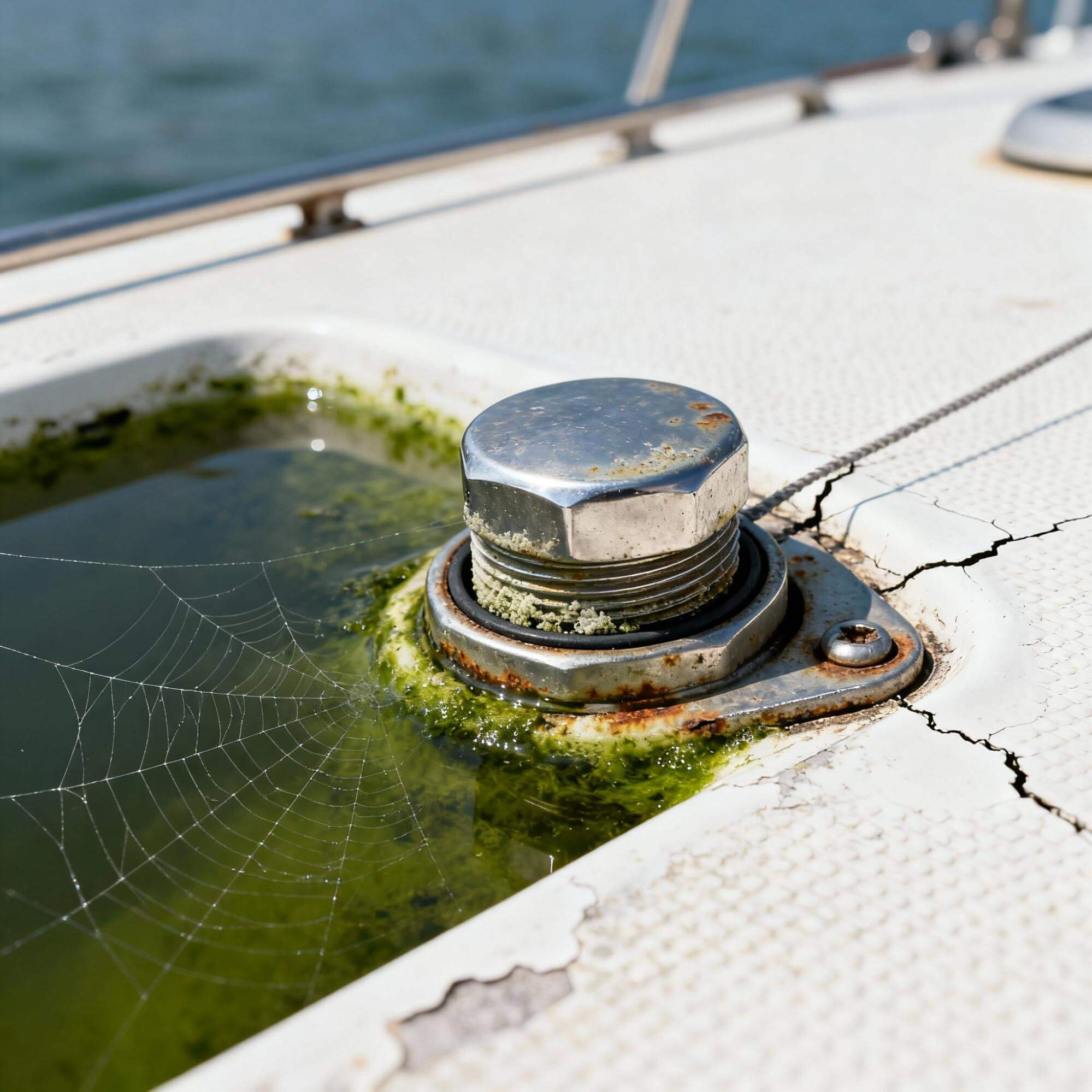
Your boat’s freshwater system is one of its most overlooked maintenance points during storage. While most owners remember to clean their hulls and engines, many forget that stale or stagnant water inside holding tanks can quickly lead to unpleasant smells, algae growth, or even internal corrosion.
Water tanks are made of materials like polyethylene, aluminum, or stainless steel, each reacting differently to long-term exposure, temperature shifts, and residual moisture. How you leave your tank over the winter or during off-season storage can directly affect the safety of your drinking water and the lifespan of your plumbing system.
Here’s what most boat owners don’t realize: improper water tank storage causes more plumbing problems than actual boat use. The damage happens slowly and silently while your boat sits idle, making prevention absolutely critical for smart boat owners.
Understanding What Happens Inside an Idle Water Tank
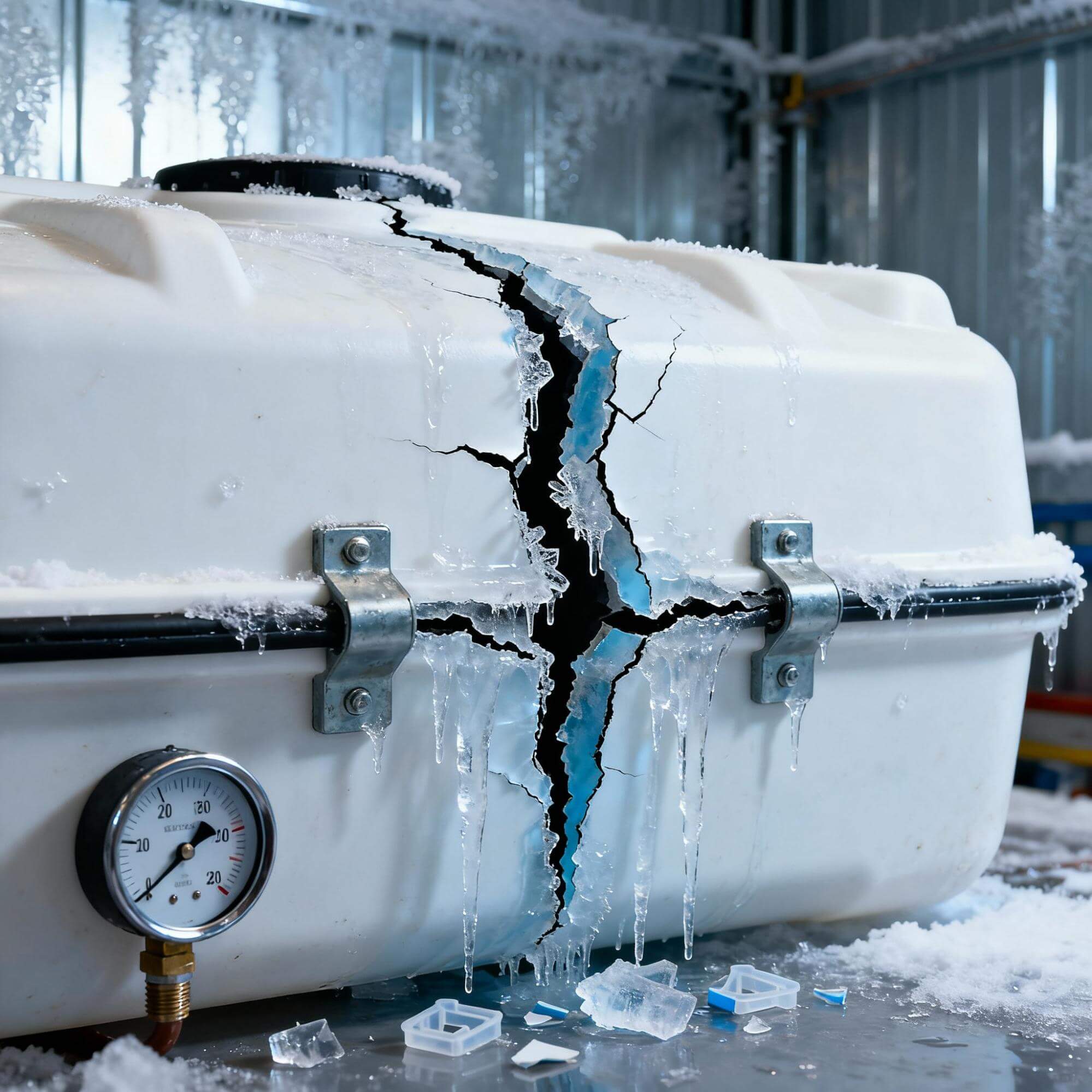
When a boat sits idle, any residual moisture inside its tank becomes a breeding ground for bacteria and mineral buildup. If the tank is sealed tightly without ventilation, condensation may form, further encouraging microbial growth. In colder regions, even a small amount of leftover water can freeze, expanding inside hoses and fittings, causing cracks and leaks when temperatures rise again.
I did some research and found out that nearly 70% of water samples from improperly stored tanks contained elevated bacterial counts, mostly due to residual organic matter left after draining. The study emphasizes that thorough cleaning and partial winterization are the only reliable ways to prevent contamination and mechanical damage.
The takeaway: tank maintenance is not just about water quality, it’s about preventing costly repairs to pumps, filters, and plumbing lines. Professional boat storage facilities understand this connection and provide the stable environments that support proper water system care.
Moisture and condensation don’t just affect your water tank. They also threaten every surface inside your boat cabin. While you’re managing water system humidity, condensation is likely forming on bulkheads, windows, and metal fittings throughout your cabin, creating the same bacterial growth and corrosion risks. The same temperature fluctuations and poor ventilation that cause water tank problems also trigger cabin-wide condensation damage. Learn how to protect your entire cabin interior in our article, Preventing Condensation Inside Your Boat Cabin During Storage.
The Science Behind Water Expansion Damage
Water doesn’t just expand a little when it freezes. The molecular structure change creates tremendous force that can destroy even heavy-duty marine components. Cast iron engine blocks crack from freeze damage, so imagine what happens to plastic water tanks and rubber hoses.
Professional boat storage with climate control eliminates this risk entirely. Temperature-controlled environments keep water systems within safe operating ranges, preventing the expansion cycles that destroy plumbing components over winter storage periods.
Why You Shouldn’t Store With a Full Tank
Filling the tank before storage might sound logical, after all, it minimizes airspace where bacteria could grow, but this approach comes with significant risks.
- Expansion from freezing: Water expands roughly 9% when frozen, enough to crack plastic tanks or split metal weld seams.
- Pressure on fittings: A full tank adds unnecessary weight and pressure on hoses, joints, and deck supports.
- Bacteria growth in stagnant water: Even treated freshwater develops biological films if left sitting for months.
- Odors and taste contamination: The longer water remains stagnant, the stronger the risk of odor or chemical taint.
- System stress: Full tanks put constant pressure on all connections and seals.
If you live in a warm climate where freezing isn’t a concern, keeping the tank full still creates internal stagnation unless you regularly circulate and sanitize the system, something not feasible during off-season storage.
Smart boat owners recognize that full tanks create more problems than they solve. The risks far outweigh any theoretical benefits, especially when professional storage alternatives exist.
Why You Shouldn’t Leave It Completely Empty
Draining the tank entirely sounds cleaner but isn’t foolproof either. Small pockets of moisture always remain at the base, creating humid conditions that can feed bacterial growth or corrosion. Empty tanks can also dry out and crack around fittings or seals, particularly if exposed to varying temperatures or direct sunlight through deck hatches.
In regions with large temperature swings, empty tanks “breathe,” drawing humid air in during the day and releasing it at night, introducing new condensation. Over time, that moisture cycle can lead to the same microbial issues as a partially full tank.
Empty tanks also allow seals and gaskets to dry out and crack. These components need some moisture to maintain flexibility, but not standing water that breeds bacteria.
The Ideal Approach: Clean, Drain, Dry, and Protect
The best long-term storage method for freshwater tanks is a balanced four-step process:
1) Clean the System Thoroughly
- Mix a cleaning solution of one cup household bleach per 10 gallons of water.
- Run it through all outlets (faucets, showers, pumps) until the tank is full.
- Let it sit for 12 hours, then flush with clean water until the smell disappears.
- Follow up with a food-grade rinse (white vinegar and water) to neutralize chlorine residue.
- Inspect all visible components for damage or wear during the cleaning process.
2) Drain Completely
After cleaning, open all valves and drains to empty the system fully. Disconnect hoses or low points to ensure no trapped water remains. Use compressed air to blow out lines if available at your storage facility.
3) Dry and Air Out
Leave the tank inspection port or fill cap open for several hours on a dry day to evaporate remaining moisture. Use a small air blower or towel-dry interior surfaces if accessible. Climate-controlled storage accelerates this drying process significantly.
4) Add Antifreeze (For Winter Storage Only)
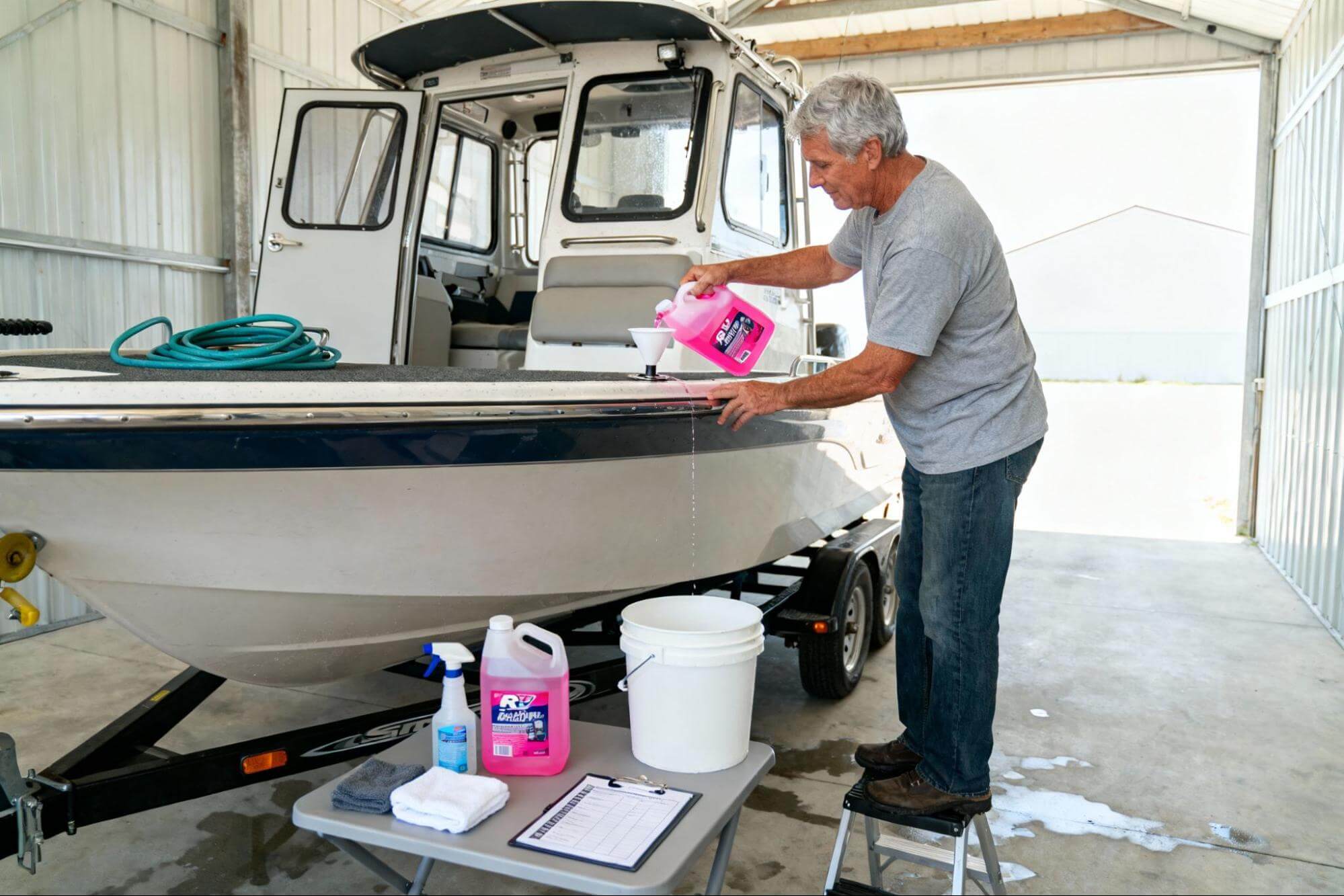
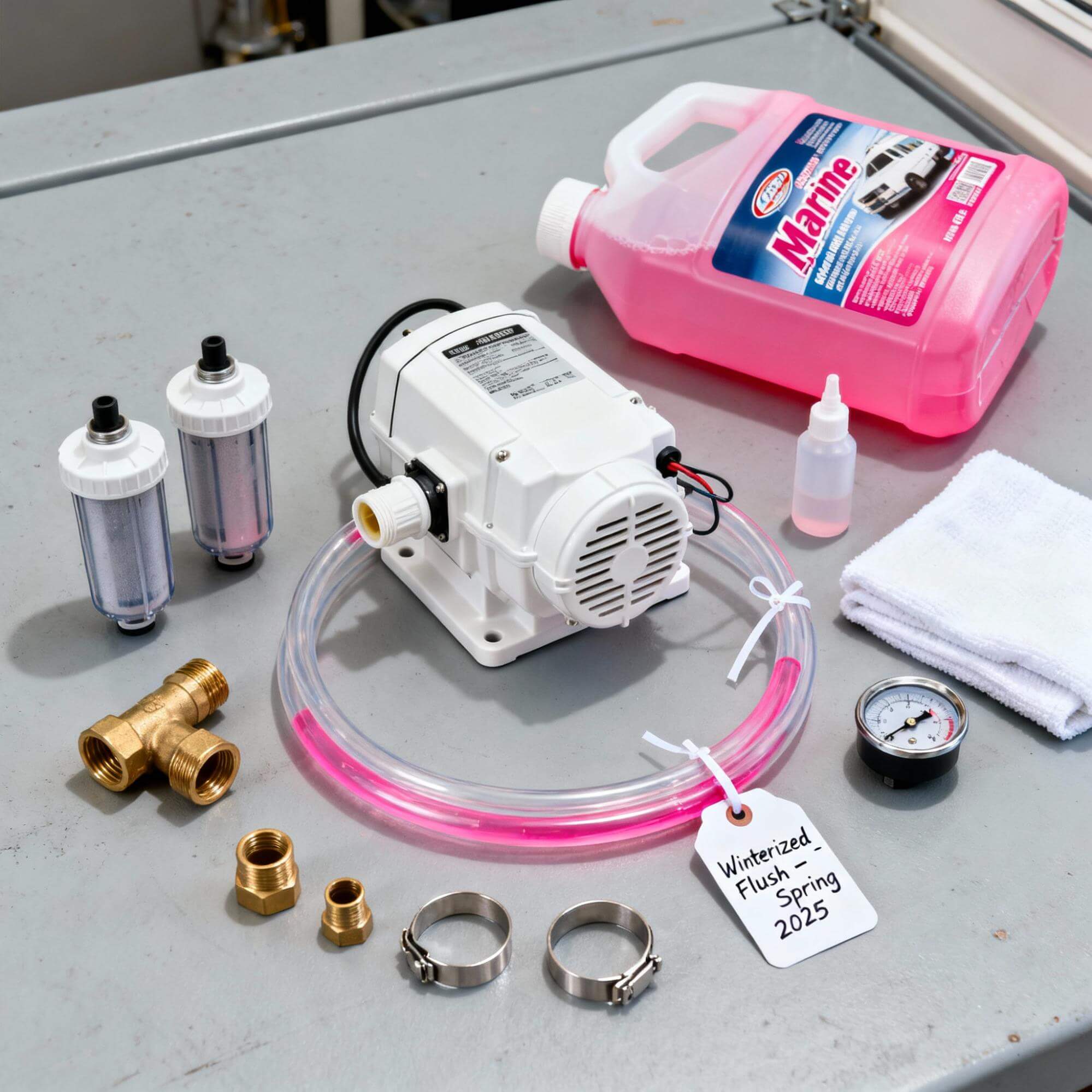
In freezing climates, pour non-toxic, propylene glycol antifreeze (the pink RV/marine kind) into the system until it fills the pump and lines. Do not use automotive antifreeze, it’s toxic and will ruin your water system.
This four-step process ensures no standing water remains, seals stay lubricated, and the system is safe for both winterization and long-term storage.
Professional Storage Makes the Difference
The difference between amateur and professional boat storage becomes obvious when you examine water system protection. Outdoor storage lots expose boats to wild temperature swings that stress plumbing systems. Indoor storage without climate control can still allow damaging freeze-thaw cycles.
Professional marine storage facilities maintain consistent temperatures that eliminate expansion stress on water systems. Superior Storage takes this protection seriously, providing climate-controlled environments specifically designed for marine applications.
The Role of Climate-Controlled Storage
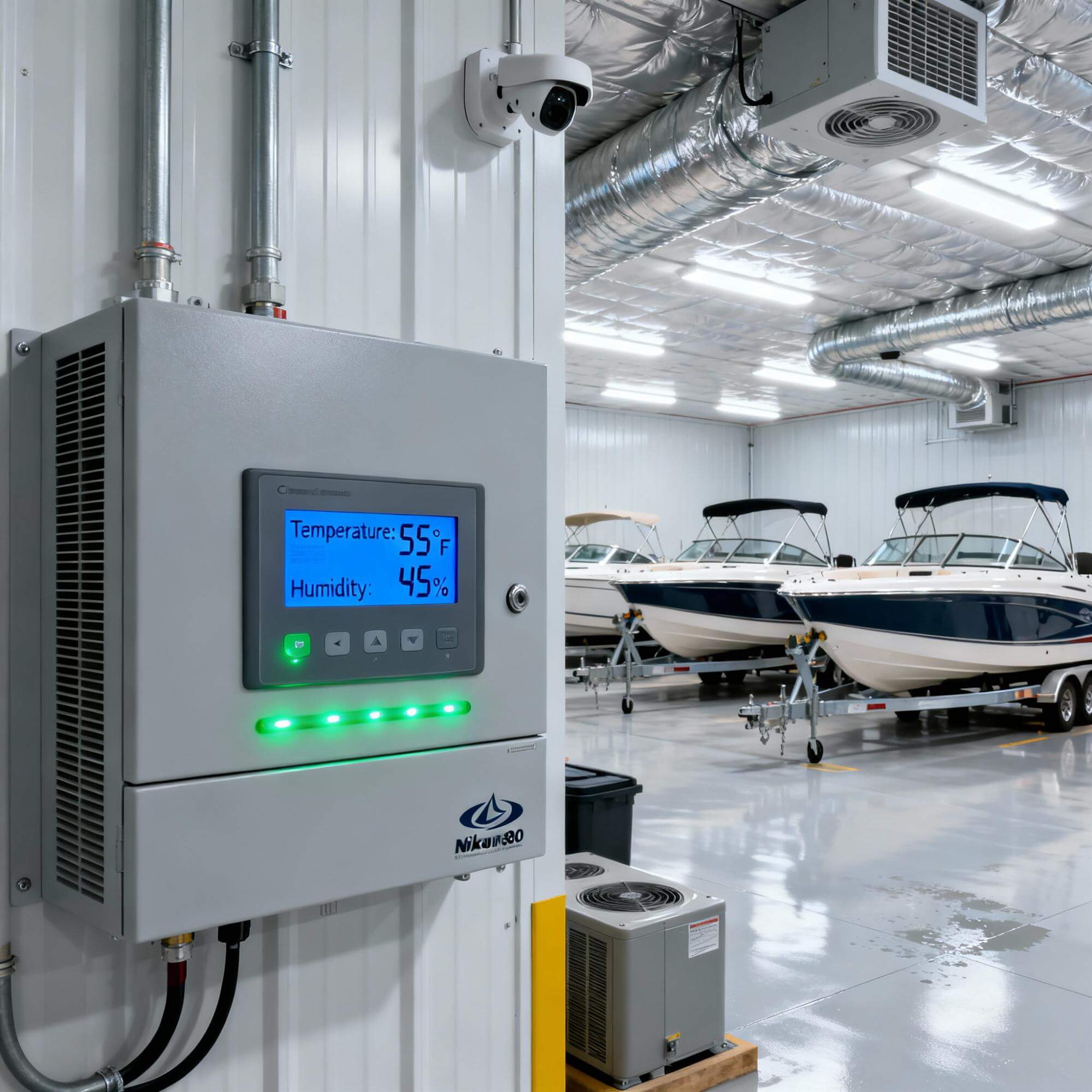
Even a perfectly cleaned and dried tank benefits from being stored in a stable environment. Temperature-controlled storage spaces prevent freeze-thaw cycles that can stress seals and fittings.
Facilities like Superior Storage offer climate-regulated boat storage bays where the temperature remains stable enough to prevent expansion or condensation inside plumbing systems. The controlled humidity also minimizes the risk of mold in water lines and cabins alike.
Climate control isn’t just about comfort, it’s about protecting every system on your boat. Water systems, electrical components, and mechanical systems all benefit from stable environmental conditions during storage.
Advanced Water System Protection
Modern boat owners have access to advanced protection methods that go beyond basic draining and antifreeze:
- System sanitizers designed specifically for marine applications
- Moisture-displacing additives that prevent corrosion
- Smart monitoring systems that track tank conditions remotely
- Professional-grade biocides that prevent bacterial growth
- Flexible scheduling that allows periodic system cycling
Professional storage facilities often provide access to these advanced solutions, along with the expertise to implement them correctly.
Table: Comparing Tank Storage Methods
| Storage Method | Risk Level | Key Concerns | Best Practice |
| Full Tank | High | Freezing, bacterial growth, pressure damage | Avoid, never store full |
| Empty Tank | Moderate | Condensation, cracking, dry seals | Drain but dry thoroughly |
| Cleaned & Treated | Low | Minimal risk when properly flushed | Ideal for long-term storage |
Protecting Your Plumbing System
Water systems rely on more than the tank itself. Pumps, filters, and hoses must also be cleared of water to prevent pressure damage and microbial growth.
- Remove inline filters and store them separately.
- Run antifreeze through pumps and faucets until visible at each outlet.
- Open all valves and low points before closing the boat for the season.
- Label all lines treated with antifreeze for easy spring flushing.
- Inspect all connections for signs of wear or corrosion.
- Document the winterization process for spring reference.
This step is often where boaters cut corners, but neglecting plumbing preparation can lead to the same damage as an overfilled tank. Professional storage facilities often provide workspace and power access that makes proper system preparation much easier.
The Economics of Proper Water System Care
Poor water system maintenance during storage creates expensive problems. Pump replacement can cost $300 to $800. Tank replacement ranges from $500 to $2,000 depending on size and material. Plumbing system overhauls can exceed $3,000 on larger boats.
Professional boat storage that supports proper water system care costs far less than a single major repair. Smart boat owners recognize that quality storage pays for itself by preventing these expensive failures.
Common Mistakes to Avoid
- Leaving cleaning agents inside: Even diluted bleach or vinegar can degrade seals over months.
- Skipping air-drying: Residual moisture left inside promotes mildew once sealed.
- Using the wrong antifreeze: Automotive formulas are toxic and corrosive to marine materials.
- Forgetting to flush pumps: Trapped water in diaphragms and valves expands when frozen.
- Not labeling treated systems: Prevents confusion and possible cross-contamination in spring.
- Rushing the process: Proper water system preparation takes time and attention to detail.
- Ignoring manufacturer recommendations: Different systems require different approaches.
Avoiding these mistakes ensures your tank remains odor-free, sanitary, and mechanically sound when boating season returns.
Choosing The Right Storage Facility
A professional facility can make the difference between a simple start-up in spring and a costly system overhaul.
When evaluating where to store your boat, look for:
- Climate-regulated indoor units to prevent freezing and condensation
- Power access for running air blowers or small heaters during prep
- Spacious bays to perform system flushing and draining easily
- Staffed sites that monitor humidity and temperature regularly
- Professional management that understands marine storage requirements
- Security systems that protect your investment
- Convenient access for maintenance and preparation work
Superior Storage provides these essential features, giving boat owners a secure, controlled environment that supports proper freshwater tank maintenance through every season.
Keeping Your Water System Clean, Dry, and Protected
The debate over whether to leave your boat’s water tank full or empty during storage finally has a clear answer: neither. The safest option is to clean, drain, and dry the system completely, then protect it with non-toxic antifreeze if temperatures drop below freezing.
By storing your boat in a stable, climate-controlled space like Superior Storage, you’ll protect the entire water system from freezing, cracking, and contamination. When spring returns, your boat will be fresh, sanitary, and ready to launch, no foul odors, no plumbing surprises, and no costly repairs.
Don’t let poor water system care destroy your boating season before it starts. Choose professional boat storage that understands the science of water system protection and delivers the climate-controlled environment your boat deserves.
Contact us today and let’s discuss your boat storage needs with Superior Storage.