Vinyl records are highly sensitive to temperature, humidity, and pressure. Storing your collection in self storage requires vertical placement, stable climate control, and proper packing supplies. Superior Storage offers secure, climate-controlled storage units that keep your records flat, dry, and distortion-free for decades of listening.

Why Vinyl Requires Specialized Storage
Vinyl isn’t like CDs or digital files, it’s a living medium that reacts to its surroundings. The grooves that hold your music are microscopic, and even minor warping or dust can permanently affect sound quality. Collectors who have spent years building their libraries know that temperature control, vertical storage, and clean materials are essential.
A self storage unit can be an excellent solution, but only when chosen carefully. Fluctuating heat or humidity in a regular storage facility can cause warping, mold growth, and label deterioration. That’s why climate-controlled self storage units are the only option for anyone serious about preserving both sound fidelity and resale value.
Here’s what serious collectors understand: vinyl records aren’t just music, they’re investments that appreciate with proper care or become worthless with poor storage. Professional storage solutions protect both the financial and emotional value of your collection.
The Self Storage Industry and Collectibles
The self storage industry has evolved to meet the specialized needs of collectors. Self storage industry trends show growing demand for climate-controlled storage as more people recognize the value of proper collectible preservation.
Storage companies that understand collectible storage invest in advanced climate control systems and storage security features. Self storage reviews consistently emphasize climate-controlled storage as essential for any valuable collection storage.
Self storage facilities specializing in collectible storage often provide additional services like storage insurance, 24-hour access, and storage management expertise that protects irreplaceable items.
Setting The Right Conditions For Vinyl Longevity
Vinyl thrives in consistency. Sudden environmental changes are the enemy of every collector.
I did some research and found out that the ideal temperature range for vinyl is between 65°F and 70°F (18°C-21°C), where the material remains flexible but not soft). Prolonged exposure to heat above 80°F (27°C) can cause irreversible warping or groove distortion, while colder environments risk making the vinyl brittle.
Humidity plays an equally important role. The recommended range is 45% to 55% relative humidity, which prevents mold growth and static buildup. When humidity rises beyond 60%, mildew becomes a real threat; drop it below 30%, and dust and static accumulate rapidly. Experts also warn against placing records near radiators, heaters, or in direct sunlight. These hot spots can cause uneven expansion and permanent heat damage. Basements and attics, with their unpredictable humidity levels, are the worst offenders for long-term vinyl decay.
This is why a climate-controlled storage unit is the safest environment for any serious collector, one that maintains steady air quality and protects records from environmental swings that can ruin sound fidelity.
Understanding Storage Costs for Collectibles
Self storage costs for vinyl collections vary based on storage unit sizes and climate control features. Storage prices for climate-controlled storage typically exceed standard units, but the protection justifies the investment for valuable collections.
Affordable storage options exist, but vinyl storage requires climate-controlled storage to prevent damage. Self storage discounts often apply to long term storage commitments, making professional collectible storage more accessible.
Storage rental agreements should include comprehensive storage insurance that covers collectible storage specifically. Self-storage insurance policies designed for valuable collections often provide better coverage than general storage insurance.
Choosing The Right Packing Materials
Not all packing supplies are created equal. The wrong sleeves or storage containers can damage vinyl faster than humidity ever could.
Inner Sleeves
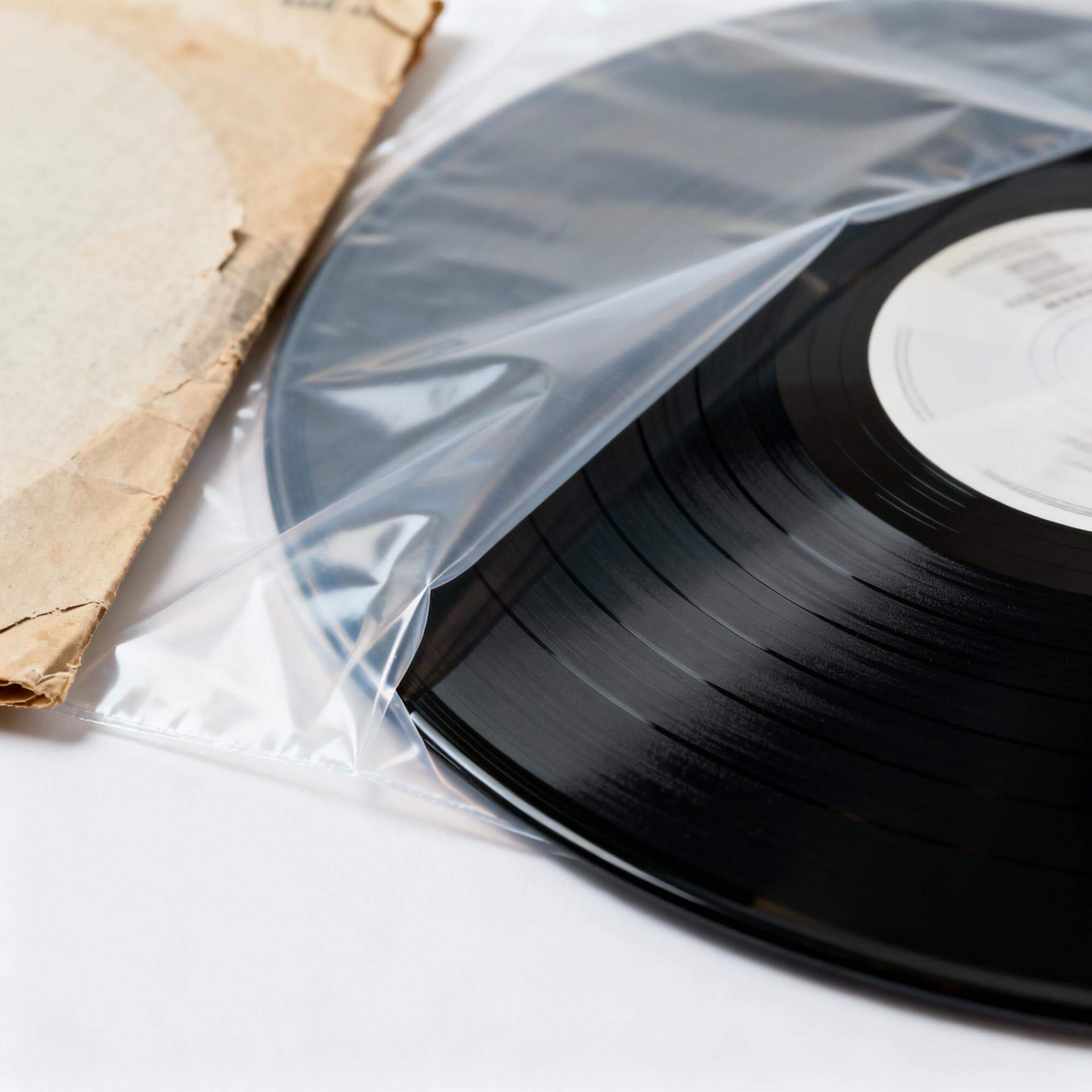
Use anti-static, high-density polyethylene (HDPE) sleeves instead of paper or PVC. Paper sleeves can scratch records and shed fibers that attract dust, while PVC can release gases that cause chemical reactions on the vinyl surface.
Professional packing supplies designed for vinyl storage provide superior protection compared to improvised materials. Storage facilities often sell specialized packing supplies designed for their climate-controlled storage environments.
Outer Sleeves
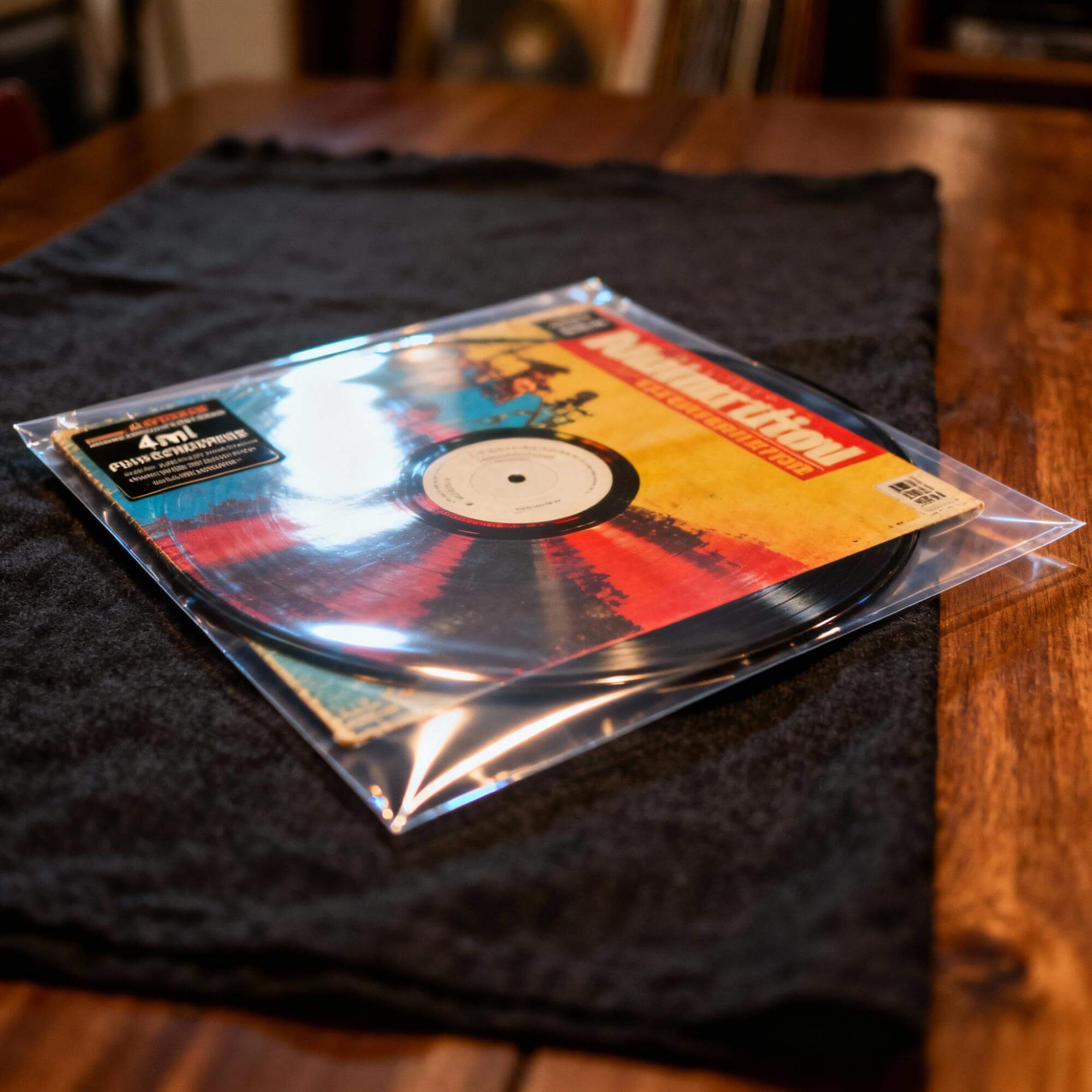
Opt for 4-mil polypropylene outer sleeves that protect against dust and moisture without sticking to the jacket artwork. Avoid shrink-wrapping or plastic wraps that restrict airflow.
Record Boxes
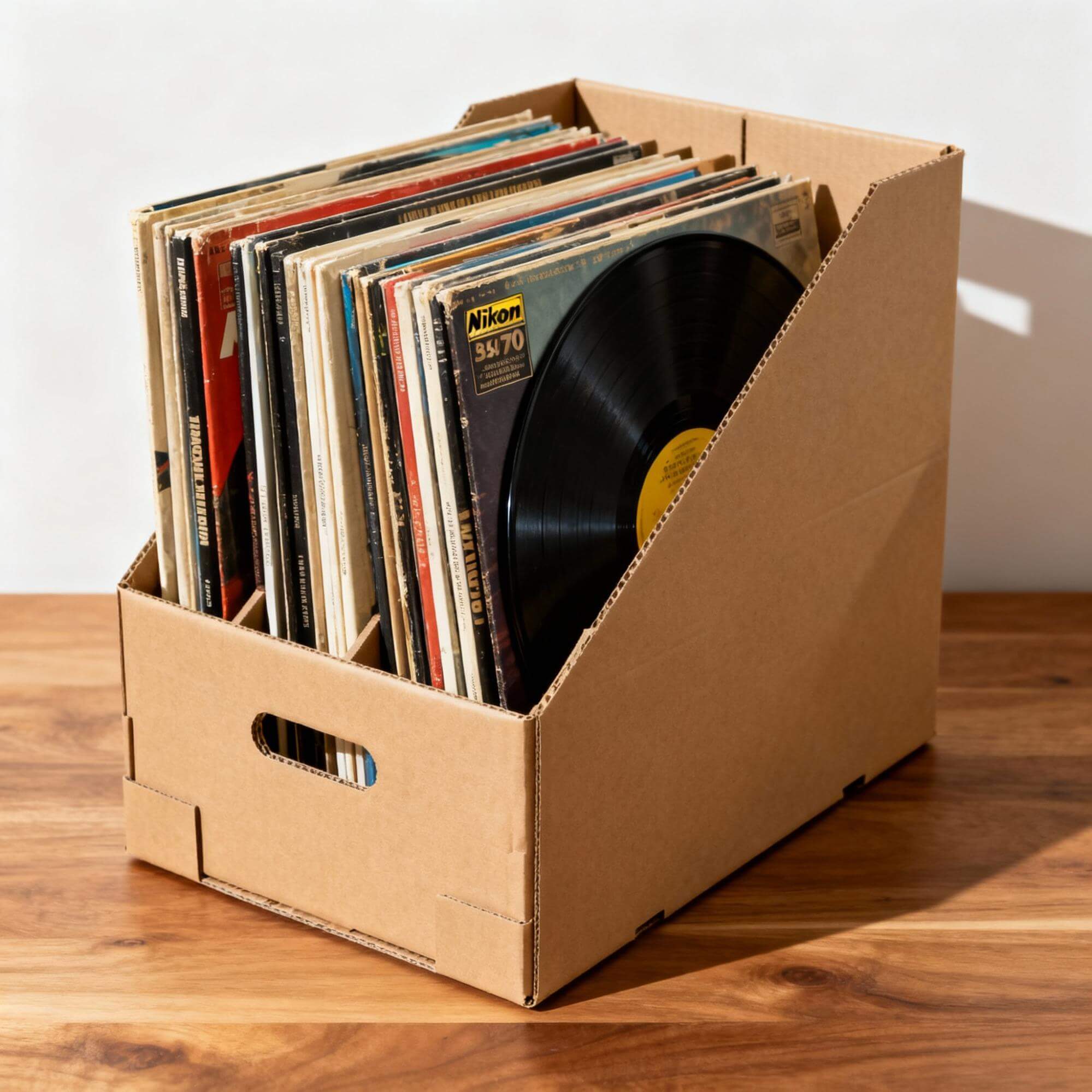
Store records upright in archival-grade storage boxes or acid-free crates. Choose storage containers that are sturdy but breathable. Tight plastic bins can trap moisture, especially if stored for years in long-term storage.
Modern Storage Technology for Collections
Advanced self storage management software helps track valuable collections and provides detailed access logs. Storage facilities that invest in modern technology offer better storage security and more reliable storage access control for collectibles.
Self storage management systems include features like digital storage locks, climate control monitoring, and access logging. These technologies provide additional protection for valuable vinyl collections.
24-hour access with storage security allows flexible retrieval while maintaining collection protection. Drive-up access makes moving vinyl collections convenient and secure.
Vertical Storage: The Only Safe Position
Horizontal stacking is one of the most common mistakes collectors make. A record’s own weight can warp it if pressure builds unevenly.
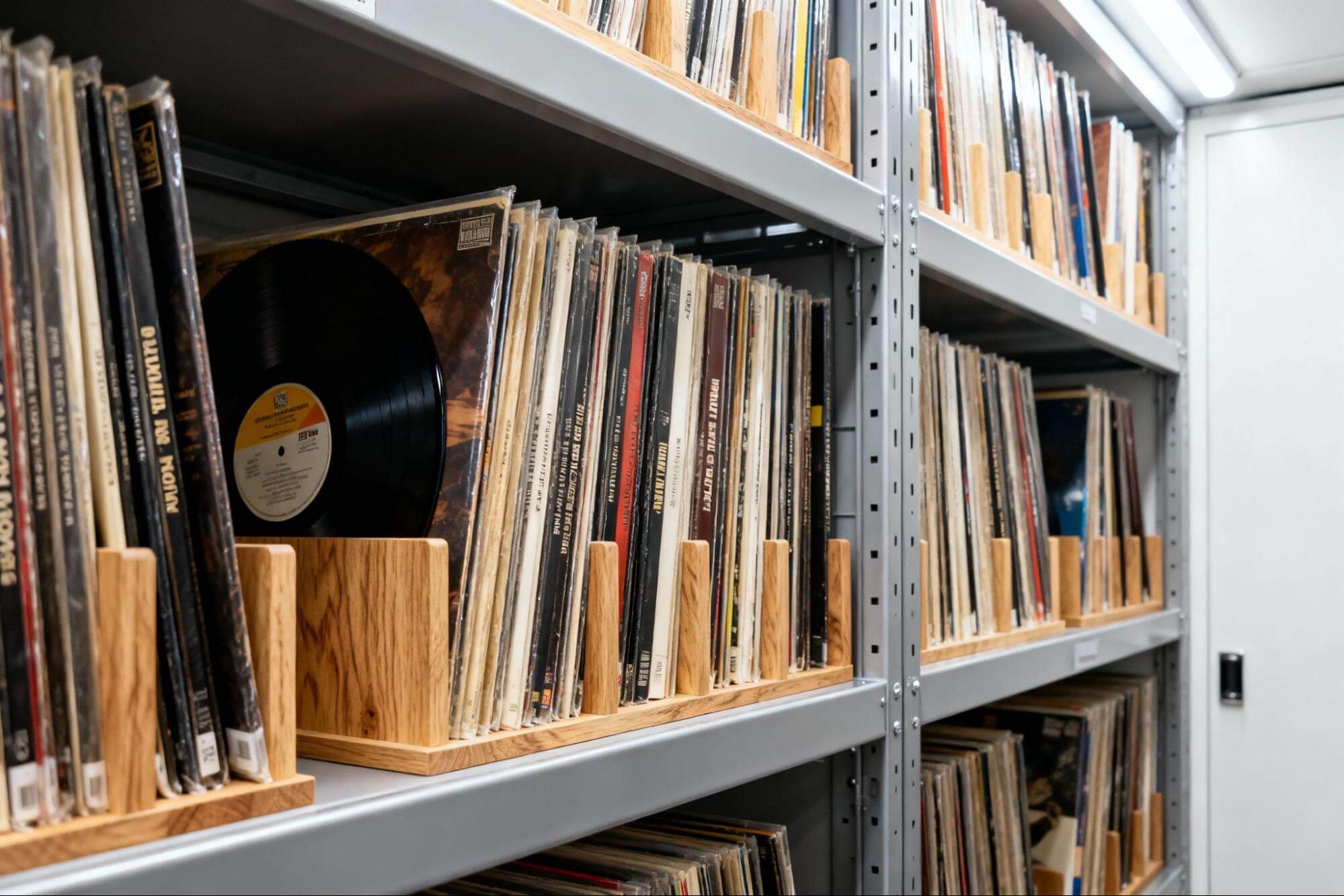
Always store vinyl vertically, like books on a shelf. Use dividers every 4 to 6 inches to prevent leaning and reduce pressure on the discs. Avoid overcrowding boxes; records should be snug but able to move slightly when pulled.
For larger collections, metal or hardwood shelving within a storage locker provides superior air circulation and weight support. Storage unit sizes should accommodate proper shelving while maintaining climate control effectiveness.
Protecting Album Covers And Artwork
Vinyl’s value isn’t just in the sound, it’s in the cover art, inserts, and liner notes that complete the collection. Unfortunately, paper-based materials are extremely vulnerable to humidity and dust.
- Use acid-free sleeves or folders for inserts and lyric sheets.
- Avoid direct light exposure, as UV rays can fade covers and labels.
- Separate rare or autographed jackets in rigid protectors to prevent bending.
At Superior Storage, our climate-controlled storage units maintain consistent humidity and temperature, creating a museum-grade environment for delicate materials. Our storage facility features climate control specifically designed for valuable collectible storage.
The same climate control that protects your vinyl album covers, inserts, and liner notes is essential for preserving other important paper materials. If you’re safeguarding your record collection from humidity and fading, your vital documents, like contracts, certificates, tax records, and family archives, deserve identical protection. Paper deteriorates under the same environmental conditions that damage album artwork. Learn how to protect your most important records in our guide: From Filing Cabinet to Self Storage: How to Store Important Documents Securely.
Different Types of Storage Solutions
The self storage industry offers various storage solutions for different collection sizes. Mini storage units work well for smaller collections, while serious collectors might require personal storage or commercial storage options.
Portable storage units provide flexibility but may lack the security features needed for valuable collections. Warehouse storage offers maximum storage space but may not provide the specialized climate control vinyl requires.
Temporary storage during moves requires immediate climate control to prevent damage. Student storage often involves valuable record collections that need professional protection during school terms.
Optimal Storage Conditions For Vinyl Records
| Condition | Ideal Range | Risk If Ignored |
| Temperature | 65-70°F | Warping and groove distortion |
| Humidity | 45-55% | Mold, label decay, or brittle surfaces |
| Storage Position | Vertical | Warping and surface compression |
| Light Exposure | Minimal, no UV | Fading or drying of jacket materials |
Additional Protection For Rare Records
Collectors of limited editions or rare pressings may want to go a step further.
Use Desiccant Packs
Place silica gel packs inside record boxes to control micro-level humidity. Replace them every few months during long-term storage.
Add Cushioning
Foam or bubble padding (around, not on, the vinyl) prevents movement during transport to your self storage facility. Quality packing supplies provide better protection than improvised cushioning.
Consider Insurance
If your collection is worth thousands, ensure it’s covered under your self storage insurance or a collectibles rider. Always keep an inventory with serial numbers or pressing details for proof of ownership. Storage insurance specifically designed for collectibles often provides better coverage.
Business vs Personal Storage Considerations
Commercial storage needs for record dealers differ from personal storage requirements. Business storage often involves larger inventories and more frequent access, requiring larger storage unit sizes and 24/7 access.
Household storage for vinyl collections typically focuses on long-term storage with minimal access needs. Residential storage customers often prefer storage units closer to home with convenient storage access hours.
Record dealers and self-storage business customers need storage facilities that understand commercial inventory requirements and provide appropriate storage security.
Common Vinyl Storage Mistakes
- Storing flat – Leads to gradual warping and audible distortion.
- Skipping climate control – High heat and moisture destroy vinyl structure.
- Using cardboard boxes – They absorb moisture and attract pests.
- Neglecting sleeves – Unprotected records accumulate static and dust.
- Ignoring inspections – Check your collection every few months for early signs of mold or warping.
- Choosing inadequate storage unit sizes** – Cramped conditions increase damage risk.
- Overlooking self storage tips from facility management – They understand optimal storage conditions.
Long-Term vs. Short-Term Storage Options
Depending on your needs, storage strategies may differ:
- Short-term storage – Ideal when moving, downsizing, or between homes. Choose small mini storage units with easy access and shelving.
- Long-term storage – Requires climate-controlled storage with consistent air quality and no direct sunlight.
- Business or dealer storage – For record shop owners or resellers, secure storage with 24-hour access ensures inventory protection and convenience.
Superior Storage offers flexible storage rentals, from compact storage lockers for personal storage to larger spaces for commercial storage collections. Each unit includes full storage security and storage access control to protect valuable media.
Legal and Insurance Considerations
Self storage contracts for valuable collections require careful review of contract terms. Understanding self-storage regulations helps protect your rights and ensures proper handling of insurance claims.
Storage rental agreements should specify climate control maintenance and storage security procedures. Self storage insurance policies vary significantly in their coverage of collectible items.
Storage costs should include comprehensive storage insurance that covers the full replacement value of your collection. Many storage companies offer specialized collectible storage insurance options.
Keeping The Sound Alive: Best Practices
To ensure your collection remains in peak condition:
- Handle vinyl by the edges, never touch the grooves.
- Clean records with carbon-fiber brushes before storage.
- Avoid sudden temperature changes during transport.
- Rotate stored records occasionally to prevent leaning stress.
At Superior Storage, we understand that vinyl is more than music, it’s history. Our secure, climate-controlled self storage units give collectors the peace of mind that their archives will sound as crisp in 20 years as they do today.
Preserve Your Soundtrack For The Future
Vinyl tells stories that digital media can’t replicate. Protecting that sound and artistry starts with proper care and the right storage environment.
The self storage industry continues evolving to meet specialized collectible storage needs. Storage facilities that invest in proper climate-controlled storage and professional storage security provide the protection valuable collections deserve.
If you’re ready to protect your vinyl record collection, contact Superior Storage today. Our experts can help you choose the right storage unit sizes, explain climate control options, and set you up with a secure storage space where your collection can live and breathe safely.
Don’t trust your valuable vinyl collection with basic storage space. Choose storage solutions that understand the science of preservation and deliver the secure storage your music collection deserves.