Removing your anchor chain before winter storage prevents corrosion, frozen links, and unnecessary wear on the windlass system. Cleaning, inspecting, and storing the chain separately ensures safety, longevity, and easy reinstallation in spring. Proper off-season anchor maintenance protects one of your boat’s most vital safety components.
Why Anchor Chain Maintenance Matters
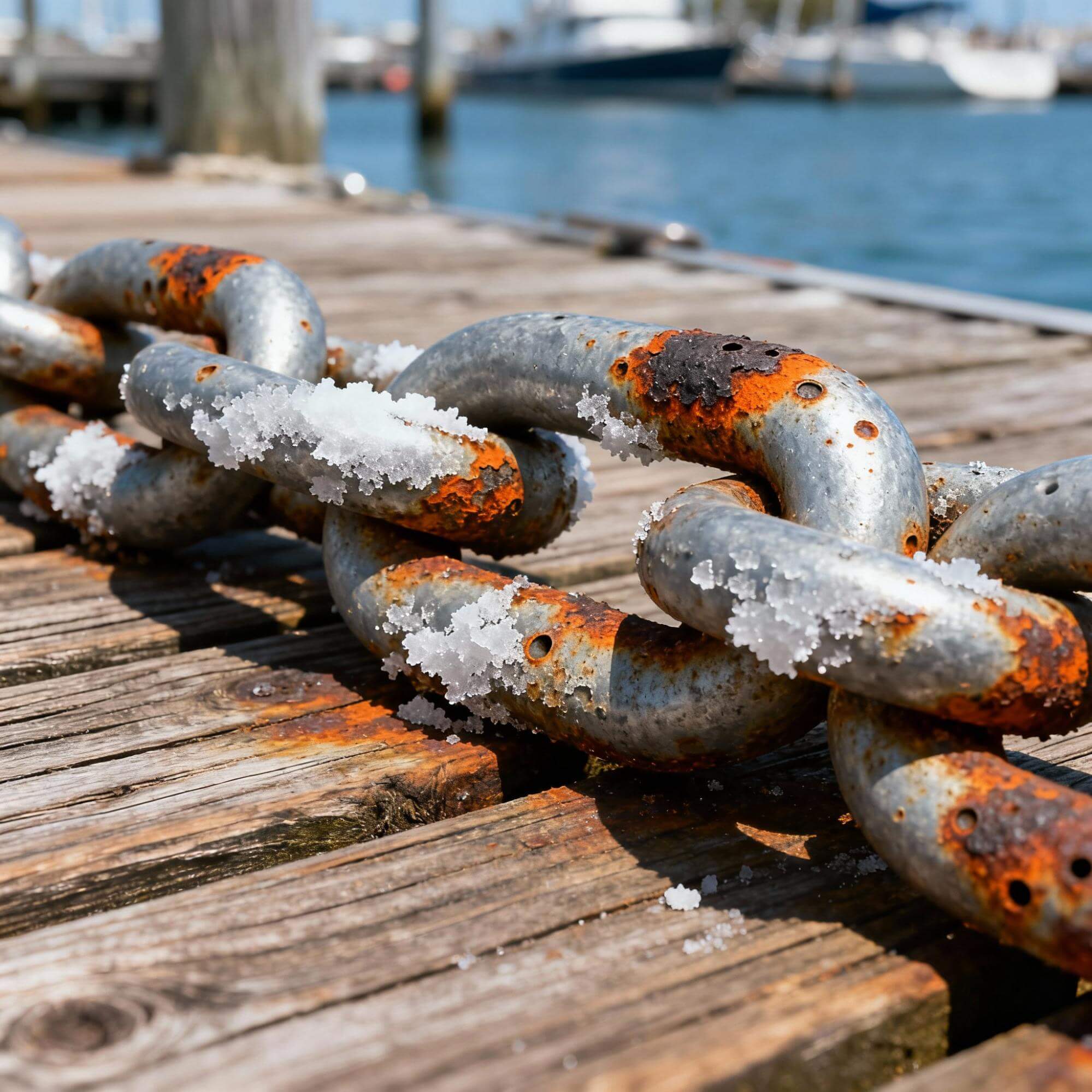
At Superior Storage, we know that small maintenance steps can make a big difference in protecting your boat’s most important systems, and that includes your anchor chain. The chain absorbs enormous strain during anchoring and endures constant exposure to salt and moisture. Yet when winter arrives, many boaters leave it in place, where freezing and corrosion can quietly take hold.
During the off-season, salt crystals and moisture trapped in the locker can fuse or pit metal links. That’s why we always recommend removing the anchor chain before storage and keeping it dry in a controlled environment. Doing so prevents costly wear and makes spring setup smoother and safer.
Here’s what smart boat owners understand: anchor systems that fail under load don’t just inconvenience you, they put lives at risk. Professional maintenance during storage isn’t optional, it’s essential for marine safety.
What Happens If You Leave The Chain Installed
Leaving the anchor chain attached during storage may seem convenient, but it creates several preventable issues.
Corrosion and Pitting
Salt residue continues reacting with metal even after the boat is hauled out. Without cleaning, that corrosion progresses silently, weakening links and fittings long before you notice.
The electrochemical process doesn’t stop just because your boat is out of the water. Salt crystals hold moisture and create the perfect environment for accelerated corrosion. Professional boat storage facilities understand this science and provide environments that minimize these damaging reactions.
Damage to the Windlass
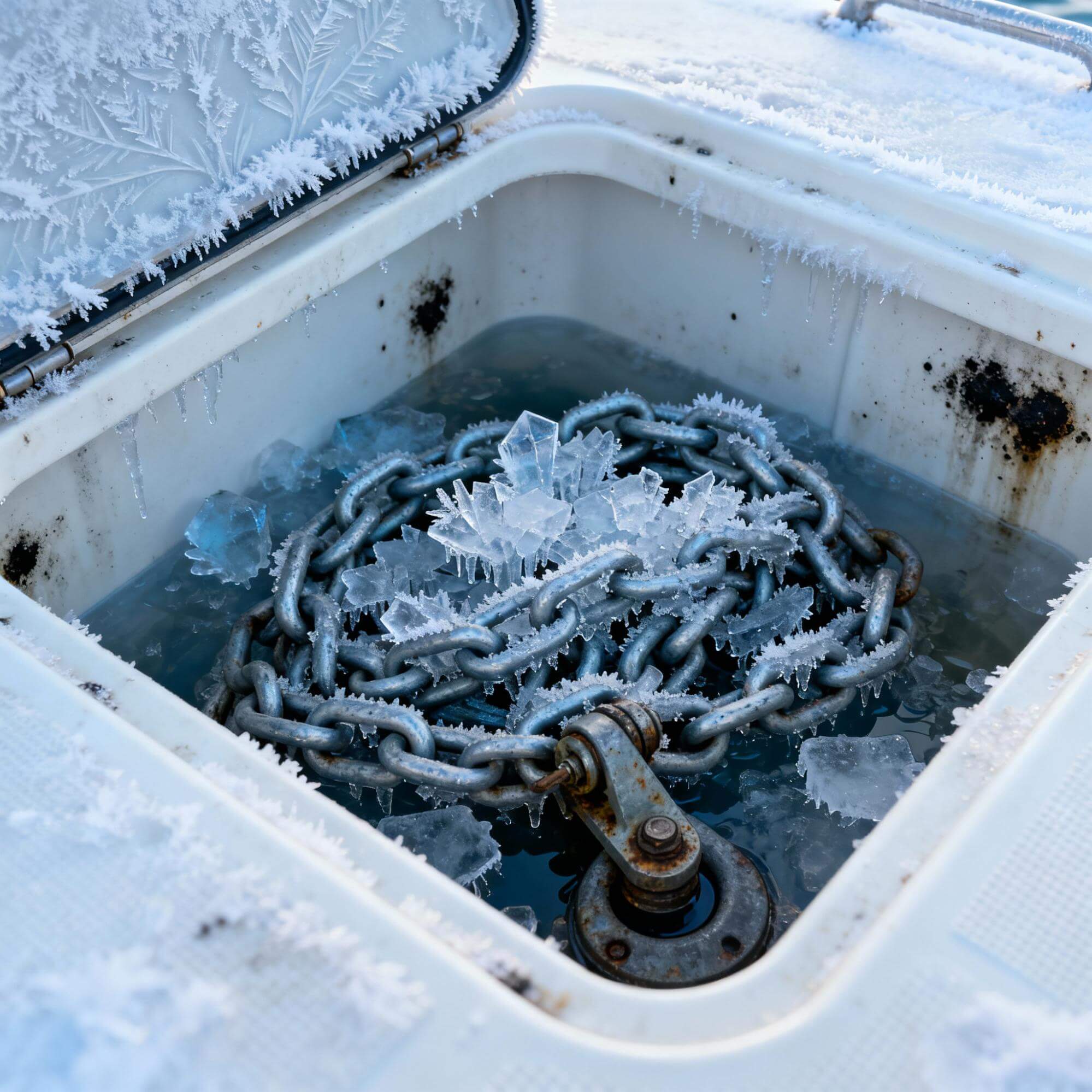
Chains left under tension can strain the windlass gypsy and bearings. When freezing temperatures hit, water trapped in the locker expands and can crack housings or deform gears — damage that’s often expensive to repair.
Windlass systems represent significant investments, often costing $2,000 to $5,000 for quality units. Protecting this equipment during storage makes economic sense and ensures reliable anchoring when you need it most.
Frozen Chain Lockers
Residual water in the locker can freeze solid, locking the chain in place and stressing fiberglass or deck seams. Ice expansion creates forces that can crack boat hulls and damage structural components.
Climate-controlled storage eliminates this risk entirely by maintaining temperatures that prevent freeze-thaw cycles. Superior Storage facilities provide this protection as a standard feature of their marine storage units.
Hidden Safety Risk
I did some research and found out that while mechanical failures in anchor chains do occur, most dragging incidents stem from improper maintenance, poor anchor setting technique, or extreme weather conditions rather than the chain itself breaking. Marine safety experts consistently emphasize that corrosion, uninspected shackles, and worn connectors increase the risk of malfunction when anchoring under load — especially if the chain hasn’t been cleaned or inspected after storage.
That’s why we always recommend removing and inspecting your chain at least once a year. It’s an easy, low-cost habit that pays off every time you drop anchor.
The Economics of Proper Chain Care
Poor anchor chain maintenance costs more than most boat owners realize. Chain replacement runs $8 to $15 per foot for quality galvanized steel, meaning a typical 200-foot chain costs $1,600 to $3,000 to replace. Windlass repairs from corrosion damage often exceed $1,000.
Professional storage and proper maintenance cost a fraction of these replacement expenses. Smart boat owners recognize that prevention beats expensive repairs every time.
Why You Should Remove It Before Storage
Taking the chain off the boat before winter offers major benefits.
- Corrosion prevention. Thorough cleaning removes salt, silt, and electrochemical residue.
- Protection for your equipment. Reduces stress on the windlass and bow rollers.
- Simplifying inspection. This lets you examine every link and shackle for wear or damage.
- Keeping lockers dry. Empty lockers resist mold, odor, and freezing expansion.
- Weight reduction. Removing heavy chains makes boat transport and positioning easier.
- Security improvement. Valuable marine hardware stored separately reduces theft risk.
When customers store with us, we often see how much cleaner and longer-lasting their equipment becomes simply from this one extra step.
Understanding Different Chain Types
Different anchor chain materials require specific storage approaches.
Galvanized Steel Chains need complete drying before storage to prevent rust breakthrough. Any moisture trapped under the galvanized coating accelerates corrosion from the inside out.
Stainless Steel Chains resist corrosion better but can suffer from crevice corrosion if salt residue remains in links. Thorough freshwater rinsing is essential.
High-Tensile Chains used on larger boats require professional inspection for stress cracks that aren’t visible to untrained eyes. These chains represent major investments and demand careful maintenance.
Step-By-Step: How To Remove And Store Your Anchor Chain
Here’s the process we recommend at Superior Storage for preparing your chain before winter:
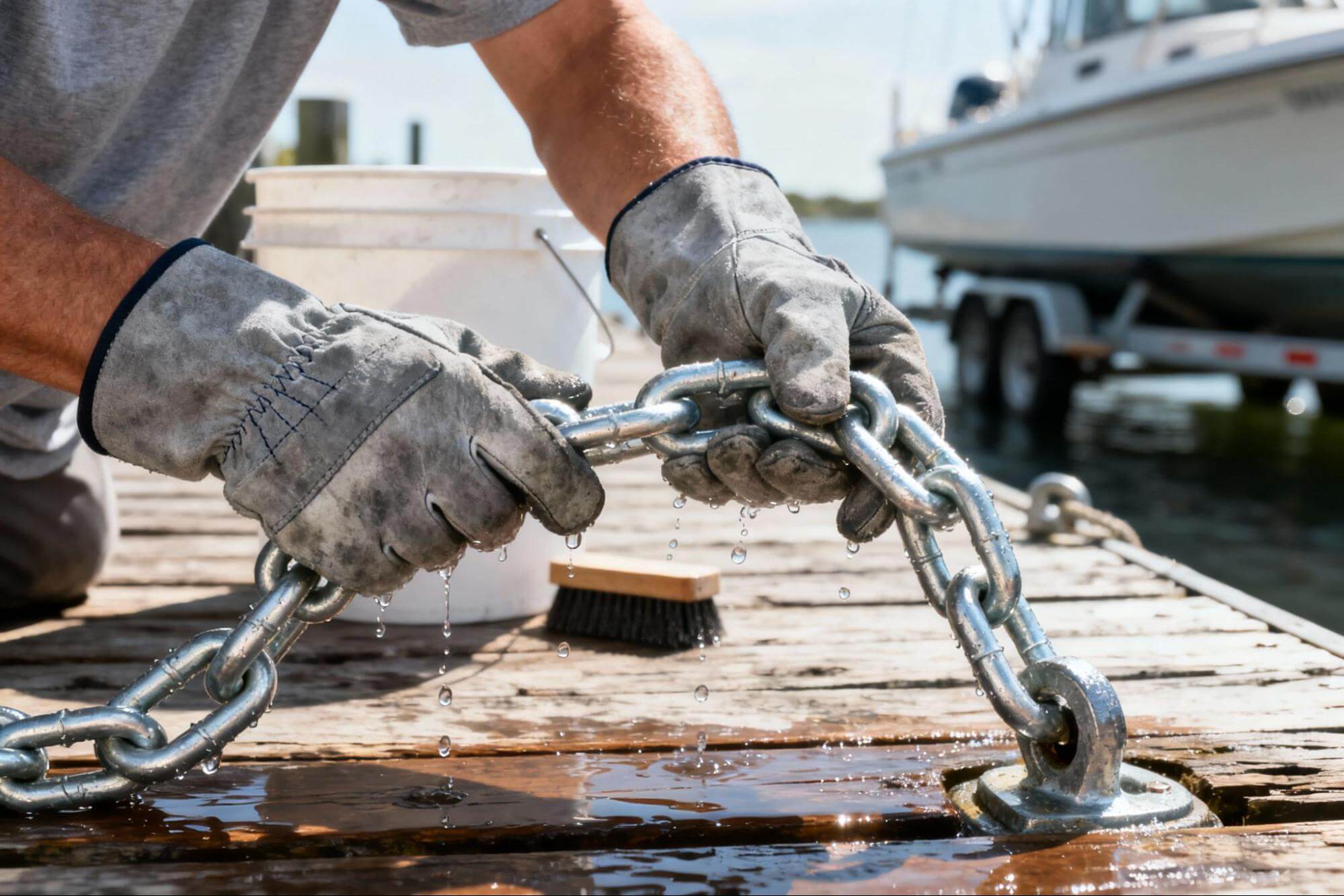
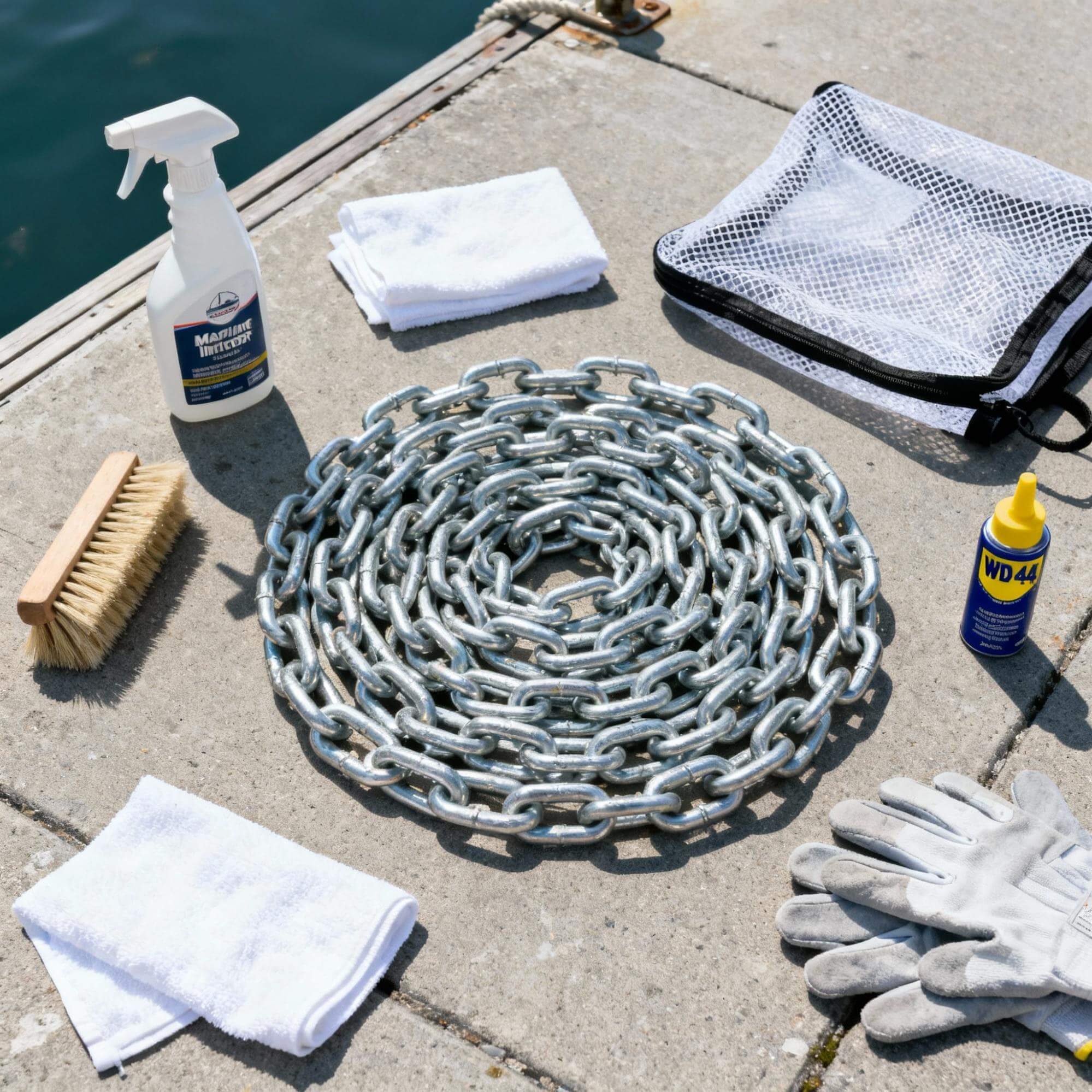
- Lay out the full chain on the dock or ground to prevent tangles.
- Rinse with fresh water to remove salt and grime.
- Clean and disinfect using mild marine cleaner or vinegar to neutralize buildup.
- Inspect each link for rust, cracks, or sharp edges.
- Dry completely in the sun or with an air blower.
- Coat with corrosion inhibitor such as a light marine protectant or WD-40.
- Store properly — Coil the chain in a ventilated bin or mesh bag, never sealed plastic.
- Document condition — Take photos of any wear spots for spring reference.
- Label everything — Mark chain length, type, and any special requirements.
Galvanized steel chains should always be fully dry before coating, while stainless steel chains benefit from a quick rinse and dry to prevent crevice corrosion.
Professional Storage vs. Home Storage
Home storage in garages or sheds exposes anchor chains to temperature swings, humidity fluctuations, and potential contamination from automotive chemicals. Professional marine storage facilities provide controlled environments specifically designed for marine equipment.
Superior Storage offers dedicated marine storage areas with:
- Climate control that maintains optimal temperature and humidity
- Ventilation systems that prevent moisture buildup
- Clean environments free from corrosive chemicals
- Security systems that protect valuable marine equipment
- Professional management that understands marine storage requirements
Storage Environment, Indoors Is Always Better
Even a clean chain will degrade if stored in a damp environment. That’s why indoor, climate-controlled storage is the gold standard. Stable temperature and humidity prevent oxidation and condensation that damage metal over time.
Our Superior Storage facilities are designed with exactly these conditions in mind, dry, ventilated, and secure units that protect your marine gear year-round. Storing your anchor and chain off the boat not only prevents corrosion but also frees space for other winter maintenance tasks.
Tips For Proper Indoor Storage
- Use wooden or rubber mats under coils to keep metal off concrete.
- Avoid storing near fertilizers or paint that emit corrosive vapors.
- Elevate the chain slightly for airflow.
- Tag each coil with chain size and length for easy reinstall in spring.
- Monitor humidity levels if storing in non-climate-controlled areas.
- Inspect monthly during long-term storage for any signs of corrosion.
Seasonal Considerations for Chain Storage
Winter storage presents unique challenges for anchor chains. Freezing temperatures, humidity changes, and reduced ventilation all contribute to accelerated corrosion if chains aren’t properly prepared.
Spring preparation requires thorough inspection before reinstallation. Look for:
- Rust spots that weren’t present before storage
- Link wear that could indicate stress points
- Shackle condition and proper pin security
- Connection points where dissimilar metals meet
Professional storage facilities provide workspace areas where boat owners can perform these inspections comfortably and safely.
How To Reinstall Safely In Spring
When spring returns, inspect the chain link by link. Replace any sections showing deep rust or sharp edges. Reattach shackles using new pins and secure with stainless steel wire. Lubricate the windlass and test chain movement before heading back on the water.
These small steps make anchoring smooth and safe, exactly how it should be after months in storage.
Spring commissioning represents the perfect time to upgrade worn components. Anchor systems that performed marginally before storage should be improved before launching.
Table: Anchor Chain Storage Do’s and Don’ts
| Action | Recommendation | Why It Matters |
| Leave chain on boat | ❌ Avoid | Encourages corrosion and freezing |
| Clean and remove chain | ✅ Yes | Extends lifespan and prevents damage |
| Store in dry indoor space | ✅ Yes | Stops rust and oxidation |
| Seal in plastic bag | ❌ No | Traps humidity and accelerates rust |
| Inspect before reinstalling | ✅ Always | Ensures safe use next season |
Common Mistakes To Avoid
- Storing chain wet — Even a few drops can cause rust.
- Skipping inspection — Hidden cracks or weak links can fail under load.
- Leaving anchor attached — Adds unnecessary stress to bow fittings.
- Ignoring locker maintenance — Damp lockers breed mold and odors.
- Neglecting lubrication — Unprotected metal corrodes faster in temperature swings.
- Using improper storage containers — Sealed plastic traps moisture and accelerates corrosion.
- Mixing chain types — Different metals stored together can create galvanic corrosion.
Avoiding these issues keeps your anchor system strong and reliable for years to come.
Speaking of locker maintenance and moisture control, many boat owners also wonder about another critical system decision during storage: whether to leave the bilge pump running. While it might seem like leaving it on provides extra protection against water intrusion, an active bilge pump during dry storage can actually drain your battery, mask dangerous leaks, and create electrical fire hazards similar to the corrosion risks we see with improperly stored anchor chains. The bilge pump question isn’t straightforward, the answer depends entirely on whether your boat is stored in water or on land. Get the complete answer in Should You Leave the Bilge Pump On During Boat Storage? to avoid costly electrical damage and ensure your boat’s systems are properly configured for off-season protection.
Technology and Modern Chain Care
Modern boat owners have access to advanced chain care products and techniques —
- Ultrasonic cleaning systems that remove embedded salt and corrosion
- Specialized corrosion inhibitors designed for marine environments
- Digital calipers for precise chain wear measurement
- Galvanic isolators that prevent electrical corrosion
- Smart monitoring systems that track chain condition over time
Professional storage facilities often provide access to these advanced maintenance tools and techniques.
Choosing The Right Storage Space
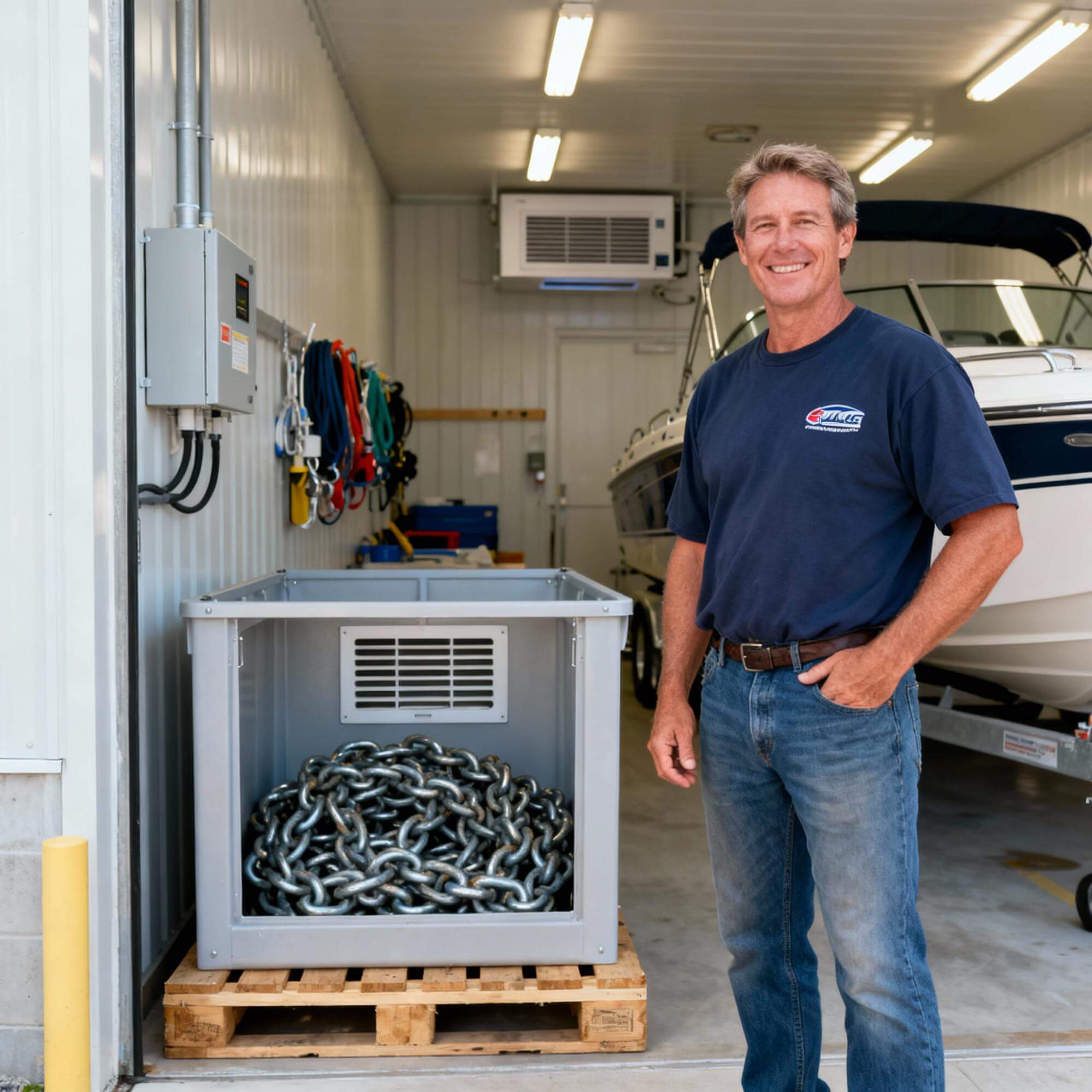
Not all storage is created equal. When choosing a location for your boat and equipment, look for:
- Climate-controlled indoor space that limits moisture.
- Clean, secure units to protect valuable gear.
- Convenient access for maintenance and inspection.
- Knowledgeable staff who understand marine storage needs.
- Proper ventilation that prevents humidity buildup.
- Security systems that protect valuable marine equipment.
At Superior Storage, our facilities are built specifically for boat owners. We provide climate-regulated units that keep your anchor chain, deck gear, and other marine essentials in top condition through every off-season.
Keep Your Anchor Chain Clean, Dry, And Ready For Next Season
We’ve seen firsthand how proper off-season storage can save boaters time, money, and frustration come spring. Removing, cleaning, and storing your anchor chain properly prevents corrosion, extends its life, and ensures it performs flawlessly when you need it most.
If you’re preparing for winter and want to make sure every part of your boat, from the hull to the hardware, is protected, contact us today. Our team at Superior Storage will help you reserve a climate-controlled unit and provide expert guidance on how to safeguard your vessel and equipment through the cold season.
Don’t let poor anchor chain care compromise your safety or your investment. Choose professional marine storage that understands the science of metal preservation and delivers the protection your anchoring system deserves.