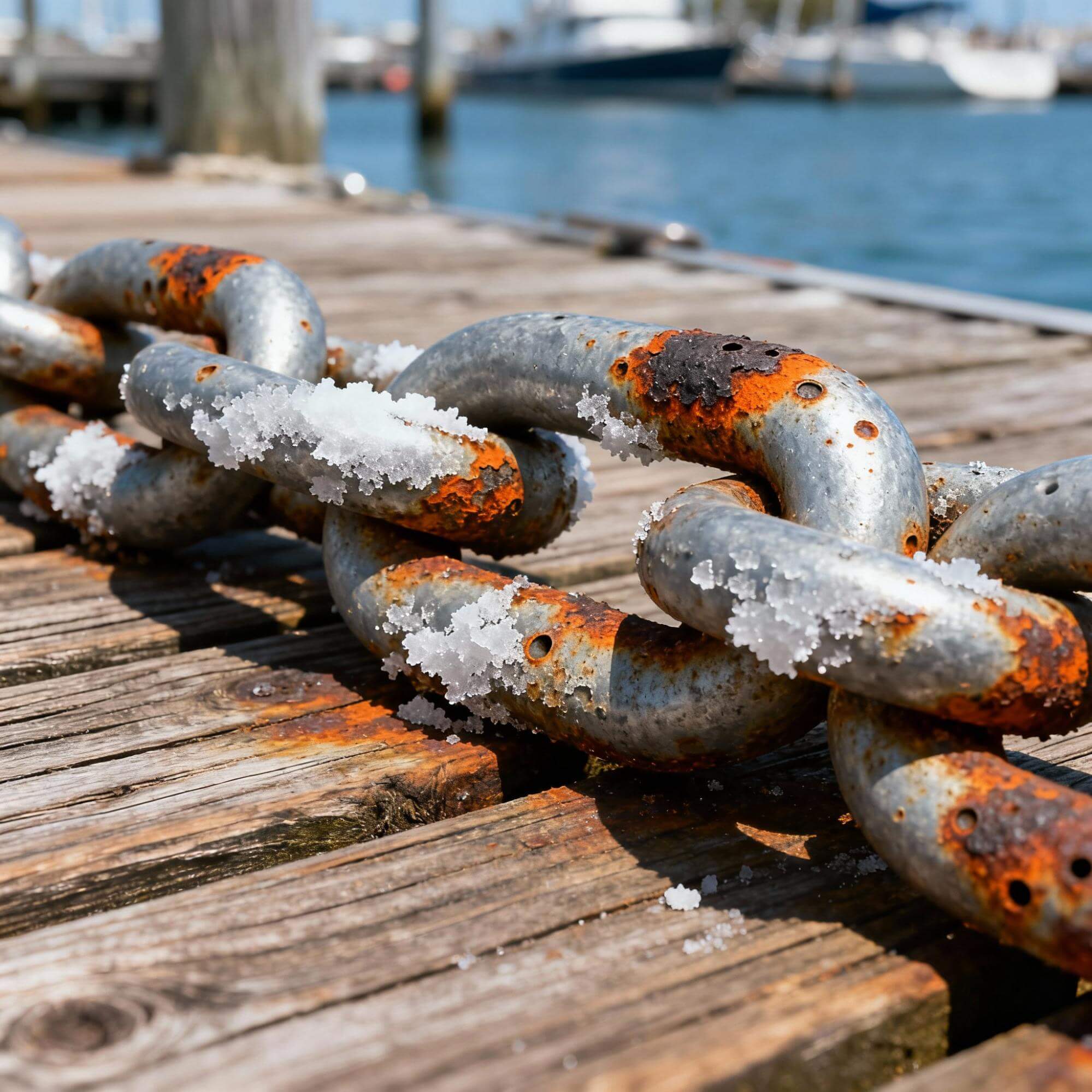
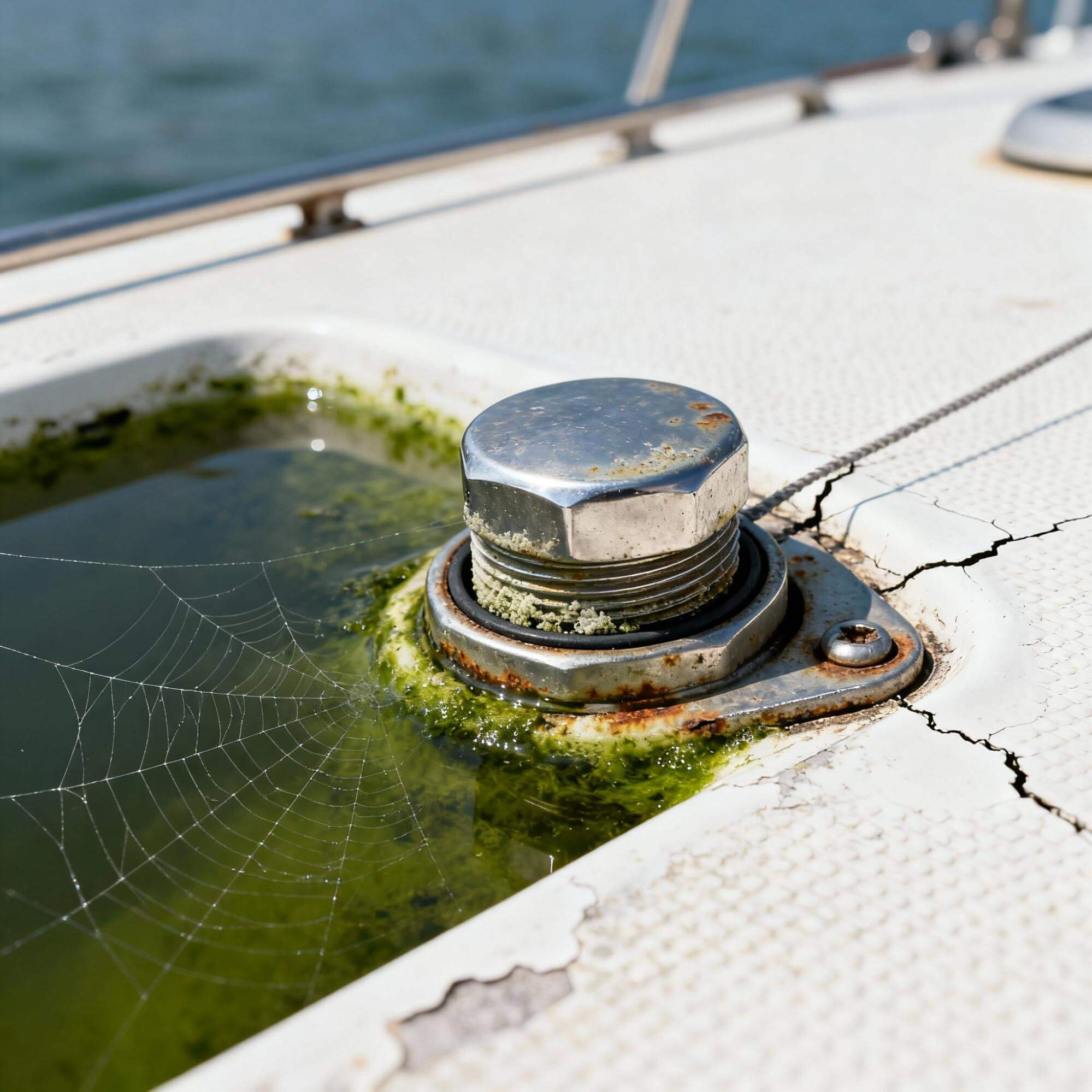
When storing your boat, the bilge pump should always be turned off unless the vessel remains in the water. Leaving it on during dry storage can drain the battery, mask hidden leaks, and create electrical hazards. The correct approach is to inspect, clean, and dry the bilge, disconnect power to the pump, and store the boat in a secure, weather-protected environment.
Why Bilge Pump Settings Matter in Storage
The bilge pump is your boat’s first line of defense against unwanted water, but once the season ends, that same system can cause damage or electrical issues if left running. Many boaters assume that keeping the bilge pump powered during storage adds protection, but in reality, it can introduce new risks depending on whether your boat is stored in the water or on land.
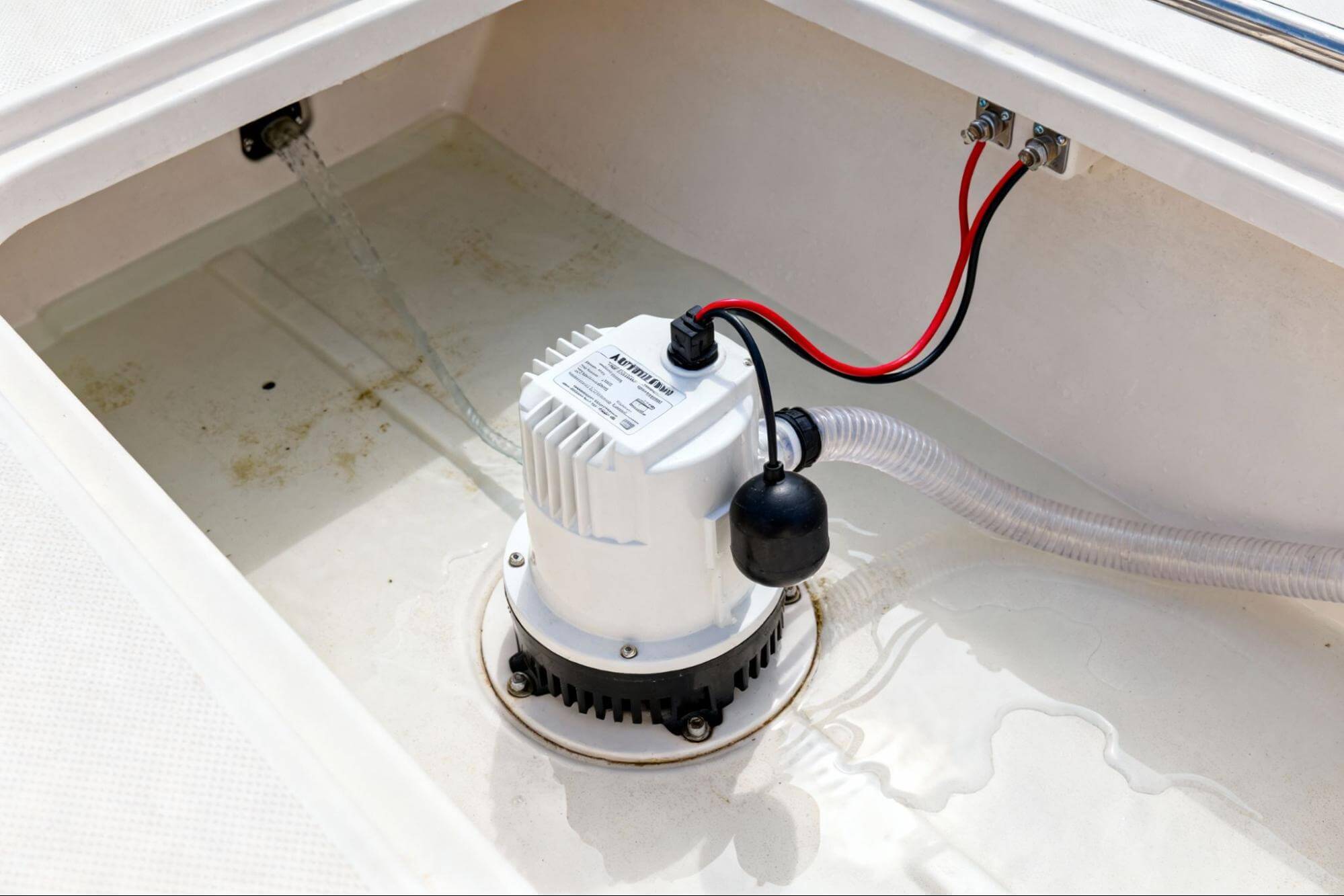
Most pumps are designed to operate automatically, activating when water reaches a certain level in the bilge. During storage, however, there shouldn’t be any new water entering the hull at all. That means if your bilge pump is cycling, there’s already a problem, one that could go unnoticed until spring.
Here’s what smart boat owners understand: a working bilge pump during storage isn’t protecting your boat, it’s hiding problems that could destroy your investment.
Understanding Bilge Pump Purpose and Design
Bilge pumps are built to remove incidental water that collects in the bottom of the hull from spray, rain, or condensation. They’re not designed for continuous operation, nor are they foolproof.
A standard marine bilge pump system includes:
- A pump unit with a float or electronic sensor
- Wiring and fuse protection connected to the 12V battery
- Discharge hoses leading overboard
- Check valves preventing backflow
These components are vulnerable to corrosion, debris, and power drain when left unattended for long periods, all reasons why careful handling during storage is essential.
The Risks of Leaving the Bilge Pump On
Leaving your bilge pump powered while the boat sits in storage may seem harmless, but it creates several potential hazards.
1) Battery Drain and Electrical Damage
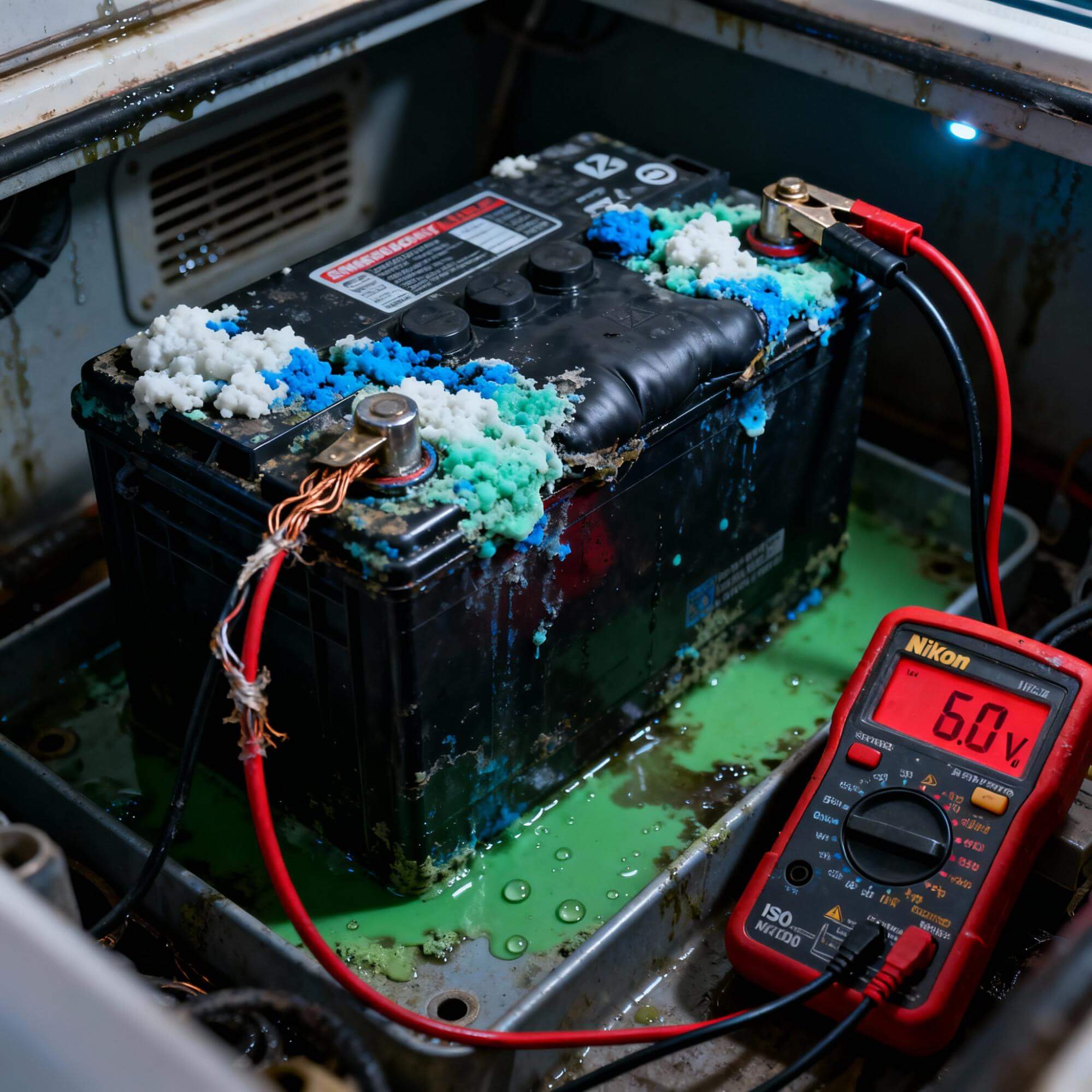
Even an automatic bilge pump draws a small but steady current. Over weeks or months, that can fully drain your battery or, worse, create a short if wiring corrodes in a damp environment.
2) Masking a Leak
If the pump is on and discharging water periodically, it could hide the fact that your boat is taking on water from a leaking through-hull or deck fitting. When you finally check the boat, damage could already be extensive.
3) Fire and Corrosion Risk
I did some research and found out that unattended electrical systems, including bilge pump wiring, are among the leading causes of onboard electrical faults in boats kept in storage with live battery connections. The report highlights that continuous exposure to moisture and corrosion can lead to short circuits, insulation breakdown, and potential fire hazards when these systems remain energized without maintenance.
Leaving pumps powered in storage also allows bilge water containing oil or fuel residues to circulate, creating an added contamination and safety risk when the system is reconnected later.
4) False Sense of Security
A bilge pump is not a substitute for proper hull maintenance. If water is entering the boat during storage, that’s a symptom of a leak, not something the pump should manage. The presence of a working pump can give owners false confidence that their vessel is “protected,” delaying needed inspections or repairs.
When It’s Safe to Leave the Pump On
There is only one scenario where leaving the bilge pump powered makes sense, when your boat is stored in the water, such as at a marina slip or mooring.
In that case:
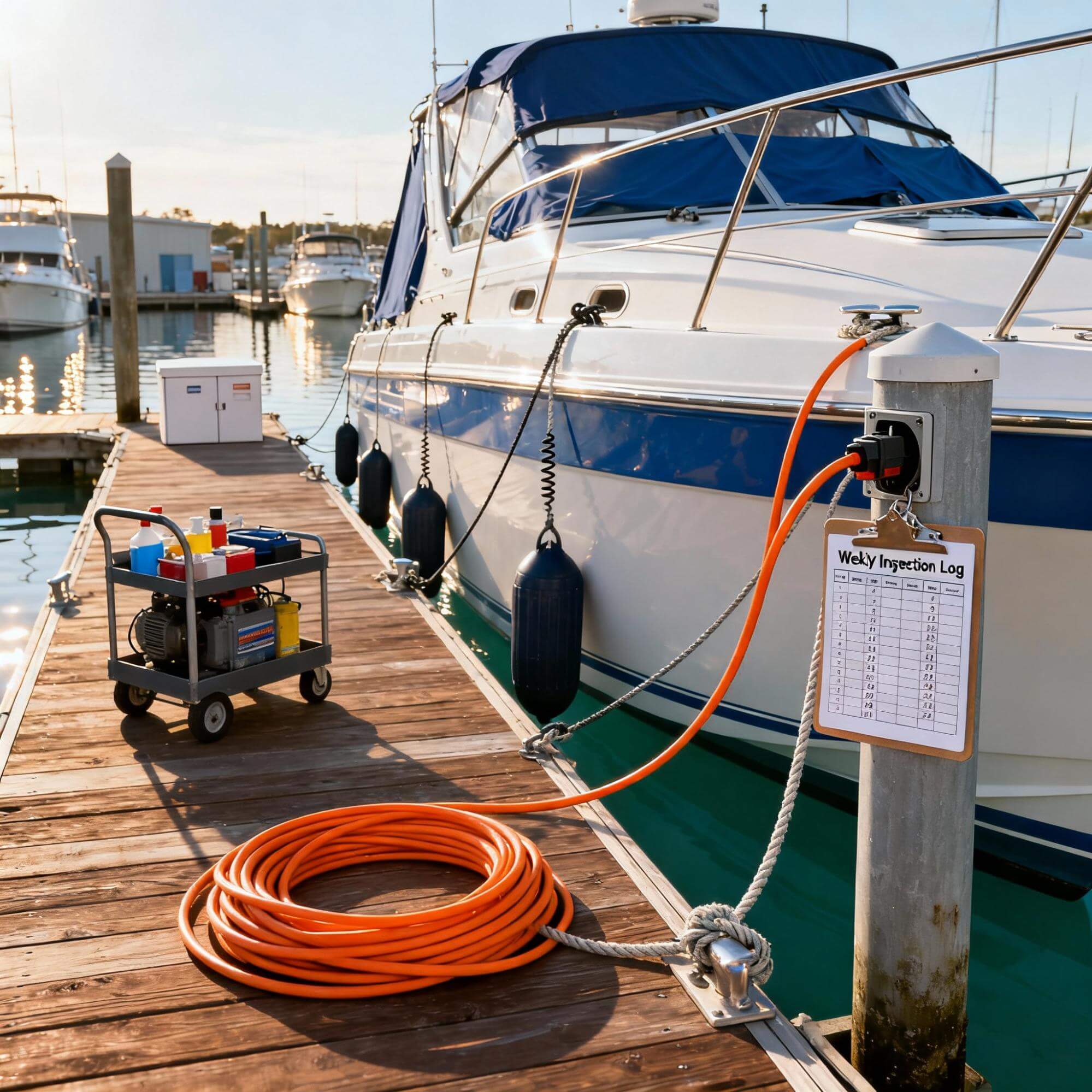
- The pump should remain connected to shore power via a marine-grade charger maintaining the battery.
- The bilge should be inspected biweekly for leaks or pump activity.
- Float switches and discharge lines should be tested before leaving the vessel unattended.
Even in-water storage demands caution. A failed float switch or clogged outlet can cause the pump to burn out or flood the bilge instead of clearing it.
Best Practice, Turn It Off and Dry It Out
For boats in dry storage, whether indoor or outdoor, the bilge pump should be turned off completely. The correct preparation steps ensure that water never enters the system in the first place.
Step-by-Step Storage Guide
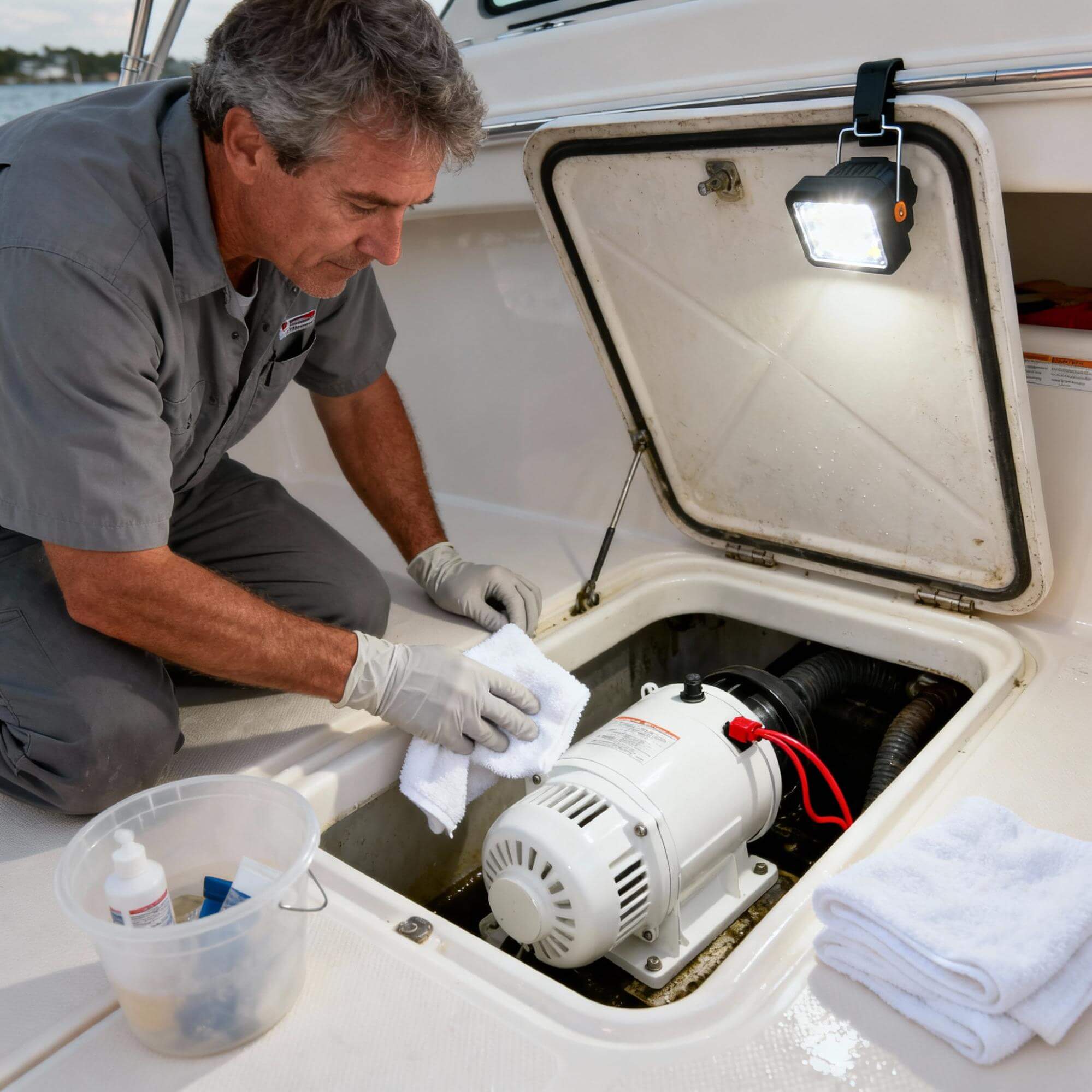
- Inspect the bilge thoroughly. Remove debris, oil, and residue.
- Flush and dry. Use mild detergent and rinse, then dry completely using towels or a small air blower.
- Disconnect the power supply. Remove the fuse or unplug the battery lead to the pump circuit.
- Test drainage paths. Make sure scuppers, drain plugs, and through-hulls are clear before closing the boat.
- Use moisture absorbers. Place desiccant packs near wiring or electrical panels to prevent corrosion.
Once your bilge area is dry, leave access panels slightly open to allow ventilation. That prevents trapped humidity from forming condensation, the same approach used in professional storage preparation.
While you’re draining and drying your bilge system, don’t overlook another critical water system that requires similar attention during storage. Many boat owners wonder whether to leave their freshwater tank full or empty during off-season storage, and the answer isn’t as simple as either option. Just like your bilge, your water tank needs a balanced approach: proper cleaning, complete draining, thorough drying, and winterization protection. Our article on Should Your Boat’s Water Tank Be Full or Empty During Storage? walks you through the exact four-step process that prevents bacterial growth, freeze damage, and system corrosion.
The Role of Proper Storage Conditions
Even the best bilge preparation can be undermined by poor storage environments. Temperature swings and high humidity encourage condensation, which can drip into bilge compartments and corrode electrical connectors.
Storing your boat in a climate-regulated facility such as Superior Storage eliminates these risks. Their controlled indoor environments prevent freezing, reduce humidity, and ensure the bilge stays dry throughout the off-season. Having access to power outlets and safe ventilation also allows for battery maintenance without leaving any circuits active.
Table: Bilge Pump Storage Guidelines
| Storage Type | Pump Power Status | Inspection Needed | Risk Level |
| In-Water Storage (Marina) | ON (with shore power and monitoring) | Weekly | Moderate |
| Dry Indoor Storage | OFF, battery disconnected | Before storage only | Low |
| Outdoor Covered Storage | OFF, with added moisture control | Monthly | Low to Moderate |
Common Mistakes To Avoid
- Leaving the pump on without supervision – Causes electrical drain or corrosion.
- Failing to clean the bilge – Residual oil and water damage wiring and sensors.
- Ignoring float switches – These can seize or corrode when left submerged.
- Skipping battery disconnection – Even “off” circuits can leak small currents over months.
- Relying on the pump to handle leaks – Fix leaks before storage, not after.
Following proper bilge procedures ensures your boat stays safe and ready when it’s time to relaunch.
Additional Maintenance Tips Before Storage
- Inspect wiring terminals – Replace any corroded connectors or frayed wires.
- Lubricate pump impellers – Prevents seizing during months of inactivity.
- Label the circuit breaker – Mark the bilge pump as disconnected to avoid accidental reactivation.
- Cover discharge outlets – Prevent insects or debris from entering lines.
These small details prevent spring-start issues and extend the lifespan of your bilge system.
Choosing The Right Storage Environment
When selecting a storage location, ensure it supports safe electrical disconnection and controlled humidity.
Key features to look for:
- Climate-controlled indoor space to reduce condensation and corrosion.
- Power access for charging batteries safely (with pump off).
- On-site monitoring and security systems.
- Ventilation options for maintaining airflow around bilge compartments.
Superior Storage facilities meet all these requirements, offering marine storage environments designed for safety and preservation. Their units help owners store boats with confidence, bilges dry, batteries charged, and systems protected from both weather and wear.

Store Smart, Keep The Bilge Pump Off And The Boat Dry
When your boat is out of the water, the bilge pump has done its job. The correct storage method is to clean the bilge, disconnect the circuit, and let the area dry completely. Leaving it powered only creates unnecessary risk.
By combining proper preparation with a secure, climate-regulated space like Superior Storage, you’ll eliminate corrosion, electrical drain, and fire hazards, ensuring a safer, smoother start-up next season.
Proper bilge maintenance doesn’t just protect wiring and components, it protects your entire vessel. A dry, powered-down bilge means no hidden leaks, no electrical surprises, and no costly spring repairs. If you’re unsure how to prep your boat or want peace of mind knowing it’s stored in the best environment possible, contact our team at Superior Storage today. Our experts can walk you through the right seasonal checklist and help you reserve a climate-controlled unit designed specifically for boat protection.